
Articles
-
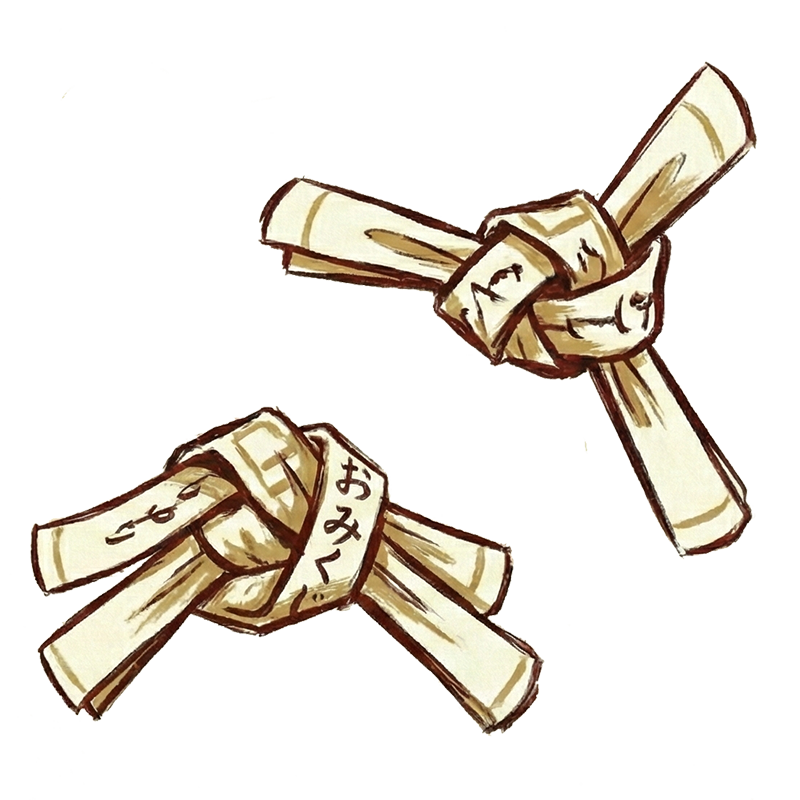
Omikuji Basics & Etiquette
Learn the proper way to draw your fortune, the ritual of tying it, and other essential knowledge.
-
Reading Your Fortune
Understand the rankings from Great Blessing to Great Misfortune, and the meanings behind specific categories.
-
Occasions & Seasonal Omikuji
Explore different ways to enjoy fortunes, from New Year's visits to life's major turning points.
-
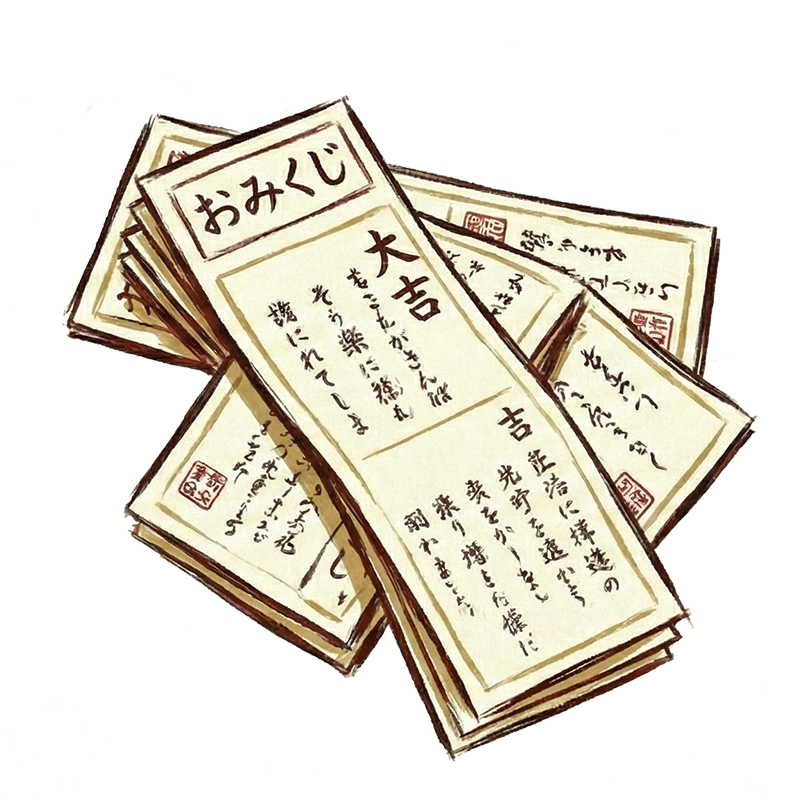
Features & Rankings
Check out our curated rankings of unique fortunes from famous shrines across Japan.
-
Shrine & Temple Guide
A hand-picked guide to spiritual spots across Japan where you can find unique and interesting fortunes.
-
Omikuji Fun for Kids at Shichi-Go-San
Shichi-Go-San shrine visits become more memorable when you add omikuji. Discover children's omikuji types, age-appropriate enjoyment tips, and how to turn omikuji into a cherished family growth record.
-
Setsubun: Resetting Fortune at the Lunar New Year
Setsubun marks the lunar calendar's year-end, making it the ideal time to redraw omikuji and reset your fortune. Learn about the Setsubun-omikuji connection, shrine visit etiquette, and how to compare New Year and Setsubun fortunes.
-
Online Omikuji for When You Miss Hatsumode
Cannot visit a shrine for hatsumode? Learn how online omikuji offer an authentic alternative, how to draw them mindfully at home, and how to build a daily fortune-checking habit.
-
Hatsumode Omikuji Timing and Deadlines
There is no strict deadline for drawing omikuji during hatsumode. Learn about the matsu no uchi guideline, what to do after New Year's, and why omikuji drawn at any time hold the same meaning and value.
-
Lucky Colors and Items from Omikuji
Discover how to use the lucky colors and lucky items on omikuji to enrich your daily life. This guide covers color psychology, seasonal tips, and practical ways to turn omikuji advice into real action.
-
Reading Financial Fortune on Omikuji
Learn how to interpret financial fortune from omikuji by combining the Business, Wishes, and Overall Luck sections. This guide covers classical expressions, the omikuji-lottery connection, and actionable tips for daily money management.
-
Birthday compatibility omikuji for two
Using date-of-birth data rooted in Nine Star Ki and the zodiac, compatibility omikuji reveal tendencies between two people -- but tendencies, not destiny. This article explains three major compatibility methods, how to use omikuji for pairing insights, and practical ways to weave compatibility checks into daily life.
-
Love fortunes and koi-mikuji guide
Omikuji love fortunes are best used as a mirror to reflect on your romantic approach rather than judged on accuracy. This article covers how to read love-related entries, the appeal of koi-mikuji at popular shrines across Japan, and tips for choosing reliable online love-fortune services.
-
Han-kichi and rare omikuji tiers explained
Han-kichi (half blessing) is a rare omikuji rank found only in 12-tier systems, sitting between kichi and chu-kichi. This article explains its meaning, where it falls in the ranking, which shrines offer it, and provides a full guide to other unusual fortune tiers like dai-dai-kichi and taira.
-
Handling kyo and dai-kyo results properly
Drawing kyo or dai-kyo on an omikuji is not a sentence of doom but an invitation to pause and reflect. This article explains the probability of drawing unfavorable results, how to read them constructively, proper shrine etiquette for kyo omikuji, and the mistakes to avoid.
-
Dai-kichi probability and lucky shrines
The probability of drawing dai-kichi on an omikuji is roughly 15-20% nationwide, but it varies widely depending on the shrine. This article presents the data behind dai-kichi rates, lists shrines rumored for high probabilities, and explains the proper way to handle and truly benefit from a dai-kichi result.
-
Reading the direction item on your omikuji
The direction section of an omikuji offers divine guidance about which compass bearings are favorable or unfavorable for your travels and decisions. This article explains classical expressions, Nine Star Ki auspicious directions, and how to combine the direction item with other omikuji categories.
-
How to Read the "Desires" Section of Omikuji
The "Desires" section of omikuji addresses whatever wish you hold most strongly. This guide explains classical expressions, how to combine results with other sections, and practical steps to turn the guidance into real action.
-
How to Find Career Fortune on Omikuji
Omikuji has no "Career Fortune" section — work luck is spread across Business, Desires, Disputes, and Studies. This guide shows which sections to read for job changes, promotions, and job hunting, with a full classical-expression reference.
-
How to Read the "Relocation" Section of Omikuji
The "Relocation (yautsuri)" section of omikuji covers moves, job changes, and all forms of environmental change. This guide explains classical expressions, directional references, and what to do when the result is unfavorable.
-
What "Endan" Really Means on Omikuji
Endan on omikuji is not about romantic feelings — it refers to bonds leading to marriage. This article explains how it differs from the romance section, covers classical expressions, and shows how to read endan alongside other sections for a complete picture.
-
How to Read the "Studies" Section of Omikuji
The "Studies" section of omikuji is not a pass-or-fail prediction but a guide for your study approach. This article covers how to interpret both modern and classical expressions, and how to apply them to entrance exams, certifications, and job hunting.
-
How to Read the "Travel" Section of Omikuji
The "Travel (tabidachi)" section of omikuji covers all forms of movement beyond leisure trips. This guide explains classical expressions, directional references, and how to turn even an unfavorable result into practical preparation.
-
Shobai and Soba: Business and Market Fortune in Omikuji
The "shobai" (commerce) and "soba" (market) sections in omikuji aren't just for merchants and investors. Learn the difference between these two categories, decode classic expressions, and discover how to apply business and financial fortune guidance to your everyday decisions.
-
Usemono in Omikuji: Reading the Lost Items Section
The "usemono" (lost items) section in omikuji goes beyond finding misplaced objects. Learn how to decode classical phrases, use location and person hints, and apply this guidance to both physical belongings and the intangible things you may have lost in life.
