
Before Visiting & On the Way
Seichū
The center of the approach path, considered the pathway reserved for the gods.
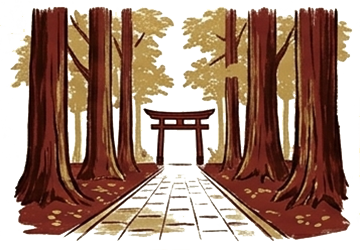
Seichū refers to the center line of the sandō, believed to be the path the gods walk along. Visitors should avoid walking in the exact center and instead keep to the left or right side as a mark of reverence. Which side to walk on varies by shrine, though the left is most common.
At Ise Grand Shrine, the Outer Shrine (Gekū) follows left-side traffic while the Inner Shrine (Naikū) follows right-side traffic. This difference is said to be based on the placement of the temizuya (purification fountain), which is positioned on the left at Gekū and the right at Naikū. Such subtle variations in etiquette add depth and enjoyment to shrine visits.
-
Sanpai
Visiting a shrine or temple to pray and pay respects to the deities.
-
Sankei
Making a journey to visit a shrine or temple for worship, with emphasis on the travel itself.
-
Sandō
The pathway leading to a shrine or temple, designed to transition visitors from the secular to the sacred.
-
Omote-sandō
The main and most prestigious approach path to a shrine or temple.
-
Seichū
The center of the approach path, considered the pathway reserved for the gods.
-
Shagōhyō
A stone pillar inscribed with the shrine's name, standing near the entrance of the grounds.
-
Keidai
The sacred grounds within the boundary of a shrine or temple.
-
Gejō / Geba
A stone marker instructing visitors to dismount from horses or vehicles before proceeding to worship.
-
Monzenmachi
A commercial district that developed along the approach to a shrine or temple, serving pilgrims and visitors.
