
Purification Rituals
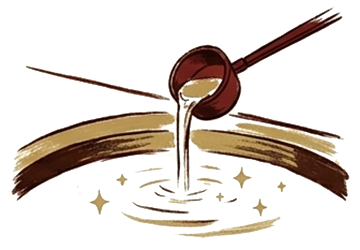
Hishaku
A long-handled ladle used to scoop water at the temizuya for ritual purification.
The hishaku is a long-handled dipper used to draw water at the purification fountain. Typically made of bamboo or wood, its simple elegance contributes to the tranquil atmosphere of the temizuya. Proper etiquette calls for completing the entire purification sequence — left hand, right hand, mouth, and handle — from a single scoop of water.
Beyond shrine use, the hishaku was once an indispensable household tool throughout Japan. Interestingly, a hishaku with its bottom knocked out became a symbol of safe childbirth — the idea being that water passes through without obstruction, symbolizing a smooth delivery. This folk custom of gifting bottomless ladles to expectant mothers persists in some regions to this day.
-
Temizuya
A water pavilion where visitors cleanse their hands and mouth before worship.
-
Chōzu
The ritual act of purifying hands and mouth with water before worship.
-
Hishaku
A long-handled ladle used to scoop water at the temizuya for ritual purification.
-
Suiban
The stone basin at a temizuya that holds the purification water.
-
Misogi
A purification ritual involving immersion in water to cleanse the body and spirit of impurities.
-
Kegare
A concept of ritual impurity caused by contact with death, illness, or blood, which can be cleansed through purification.
-
Saikai
The practice of abstaining from certain foods and activities to purify oneself before a sacred ritual.
