
Purification Rituals
Temizuya
A water pavilion where visitors cleanse their hands and mouth before worship.
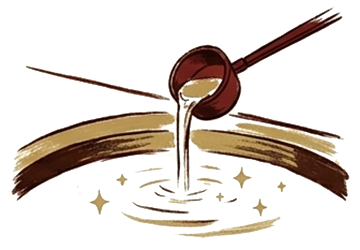
The temizuya is a water station for ritual purification before approaching the gods. The practice of rinsing hands and mouth is a simplified form of misogi — the ancient tradition of cleansing the entire body in natural water. Since full-body purification was impractical for every visitor, the temizuya evolved as an accessible alternative.
The proper sequence involves taking the ladle in the right hand to rinse the left hand, switching to rinse the right, then pouring water into the left palm to rinse the mouth — all from a single scoop. Since the COVID-19 pandemic, many shrines have removed shared ladles in favor of flowing water systems. A new cultural phenomenon has also emerged: "hanachōzu" (flower-filled temizuya), where seasonal flowers are floated in the basins, creating Instagram-worthy displays that have drawn new visitors to shrines nationwide.
-
Temizuya
A water pavilion where visitors cleanse their hands and mouth before worship.
-
Chōzu
The ritual act of purifying hands and mouth with water before worship.
-
Hishaku
A long-handled ladle used to scoop water at the temizuya for ritual purification.
-
Suiban
The stone basin at a temizuya that holds the purification water.
-
Misogi
A purification ritual involving immersion in water to cleanse the body and spirit of impurities.
-
Kegare
A concept of ritual impurity caused by contact with death, illness, or blood, which can be cleansed through purification.
-
Saikai
The practice of abstaining from certain foods and activities to purify oneself before a sacred ritual.
