
Before Visiting & On the Way
Sandō
The pathway leading to a shrine or temple, designed to transition visitors from the secular to the sacred.
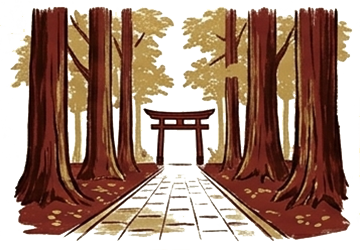
A sandō is far more than a simple walkway — it serves as a spiritual corridor designed to shift one's mindset from the everyday world to the divine realm. Walking along the gravel path, flanked by stone lanterns and towering cedar trees, naturally calms the mind and prepares the heart for worship.
The center of the sandō is called "seichū" (正中), considered the pathway of the gods. Visitors are expected to walk along the left or right side as a sign of respect. The famous "Omotesandō" shopping avenue in Tokyo's Harajuku district takes its name from being the original approach path to Meiji Jingu shrine, a striking example of how sacred paths can transform into modern landmarks.
-
Sanpai
Visiting a shrine or temple to pray and pay respects to the deities.
-
Sankei
Making a journey to visit a shrine or temple for worship, with emphasis on the travel itself.
-
Sandō
The pathway leading to a shrine or temple, designed to transition visitors from the secular to the sacred.
-
Omote-sandō
The main and most prestigious approach path to a shrine or temple.
-
Seichū
The center of the approach path, considered the pathway reserved for the gods.
-
Shagōhyō
A stone pillar inscribed with the shrine's name, standing near the entrance of the grounds.
-
Keidai
The sacred grounds within the boundary of a shrine or temple.
-
Gejō / Geba
A stone marker instructing visitors to dismount from horses or vehicles before proceeding to worship.
-
Monzenmachi
A commercial district that developed along the approach to a shrine or temple, serving pilgrims and visitors.
