
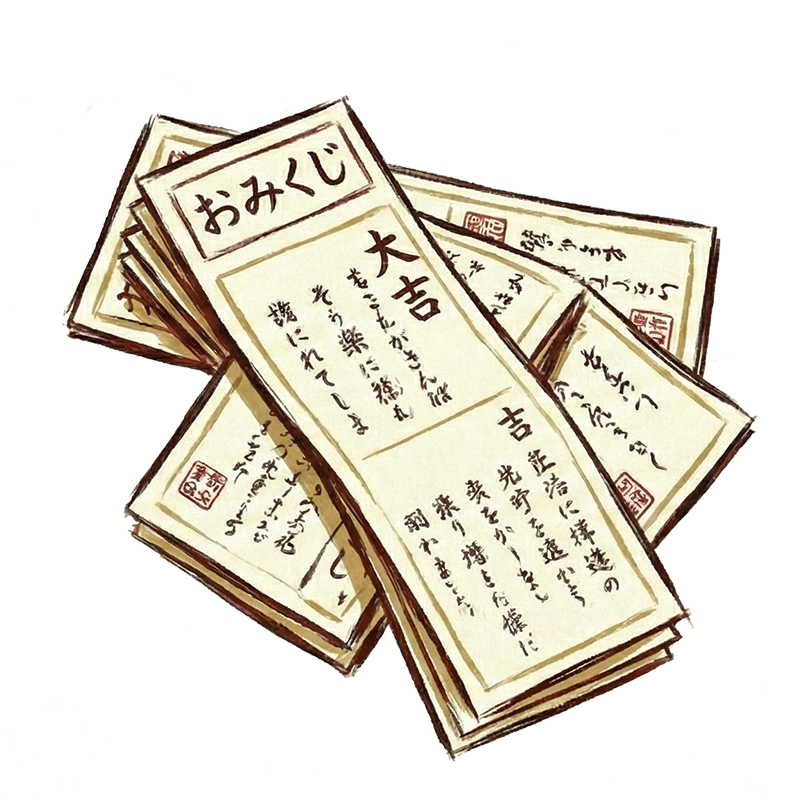
Osaka is home to numerous omikuji spots with an endless stream of word-of-mouth praise for their accuracy. From Sumiyoshi Taisha’s no-nonsense omikuji known for producing daikyo (great misfortune), to Nunose Shrine’s Ichihara Hiroko love omikuji, to Tsuyutenjinja Shrine’s water-divination love omikuji, Osaka’s appeal lies in its rich variety of distinctive omikuji. This article introduces 20 carefully selected omikuji spots worth visiting, from central Osaka to the Sakai, Hokusetsu, and Higashi-Osaka areas. Organized by area, it is also useful for planning your shrine-hopping route.
御要旨
- Why Osaka’s Omikuji Have a Reputation for Being “Accurate”
- 10 Omikuji Spots in Central Osaka
- 3 Omikuji Spots in the Minami-Kawachi and Matsubara Area
- 3 Omikuji Spots in the Sakai Area
- 2 Omikuji Spots in the Higashi-Osaka Area
- 2 Omikuji Spots in the Hokusetsu and Kita-Kawachi Area
- Osaka Love Omikuji Special: 5 Shrines for Romantic Success
- Complete List of Osaka’s 20 Omikuji Spots
- 3 Mindsets to Cherish After Drawing Omikuji
- In Closing
Why Osaka’s Omikuji Have a Reputation for Being “Accurate”
There are several reasons why Osaka’s omikuji spots have earned a nationwide reputation for accuracy.
First, Osaka’s shrines tend to make no adjustments in the proportion of favorable and unfavorable fortunes. The prime example is Sumiyoshi Taisha, where daikyo appears at a rate of about 6%, far exceeding the national average of 1–3%. Because misfortune-level omikuji are included in proper proportions, the joy of drawing daikichi is greater, and the sense that “it came true” emerges more readily. (At shrines that eliminate kyo, any result feels only vaguely positive.)
Next, Osaka has an abundance of distinctive omikuji. Nunose Shrine uses an artist’s words to tell fortunes without any fortune rankings; Tsuyutenjinja’s omikuji reveals text when floated on water; Otori Taisha’s omikuji is printed on transparent paper. Innovations that shatter the mold of “this is what omikuji should be” keep emerging. This distinctly Osaka-style creativity gives visitors fresh surprises and a sense that “this can only be drawn here.”
Furthermore, historical depth cannot be overlooked. Sumiyoshi Taisha is the head shrine of all 2,300 Sumiyoshi shrines nationwide, and Shitennoji houses the Ganzan Daishi-do hall dedicated to Ganzan Daishi, considered the creator of omikuji. Drawing omikuji at a place with over 1,000 years of accumulated prayers carries a weight all its own.
10 Omikuji Spots in Central Osaka
First, here are 10 easily accessible spots within Osaka city. Many are convenient to visit alongside sightseeing, making them ideal starting points for an omikuji tour.
Sumiyoshi Taisha: Osaka’s Greatest Omikuji Variety
Sumiyoshi Taisha is the ichinomiya (highest-ranked shrine) of Settsu Province and the head shrine of all Sumiyoshi shrines nationwide. It possesses four main halls designated as National Treasures and attracts over 2 million visitors at the start of each year (Source: Sumiyoshi Taisha official website).
The omikuji variety is the richest of any shrine in Osaka. In addition to standard omikuji (200 yen), offerings include the “ichinen-antai-mikuji” where you fish out a sea bream with a rod, the “usagi-mikuji” in a white rabbit ceramic (500 yen), romance-specific “koi-mikuji,” and children’s “kodomo-mikuji” (200 yen)—over 5 varieties available at all times.
The biggest reason Sumiyoshi Taisha’s omikuji are reputed to be “accurate” is that the daikyo rate is set at approximately 6%. Many shrines nationwide suppress daikyo to 1–3% or omit it entirely. Because Sumiyoshi Taisha distributes fortunes honestly, trust in the results is high. (Each time someone posts about drawing daikyo on social media, it paradoxically boosts the shrine’s reputation as offering “serious omikuji.”)
| Location | 2-9-89 Sumiyoshi, Sumiyoshi-ku, Osaka |
|---|---|
| Access | 3-minute walk from Sumiyoshi Taisha Station on the Nankai Main Line |
| Omikuji types | Standard, ichinen-antai-mikuji, usagi-mikuji, koi-mikuji, kodomo-mikuji, and more |
| Offering | 200–500 yen |
Osaka Tenmangu: Fortune Guided by the God of Learning
Osaka Tenmangu enshrines Sugawara no Michizane and is affectionately known as “Tenma no Tenjin-san” by Osaka residents. It is also famous as the venue for the Tenjin Matsuri, one of Japan’s three great festivals (Source: Osaka Tenmangu official website).
Omikuji are available at the offering hall in front of the main hall. You draw a numbered ball from a box and announce the number to receive the corresponding omikuji. Fortune levels include six tiers: daikichi, kichi, chukichi, shokichi, suekichi, and kyo. As a shrine dedicated to the god of learning, students line up during exam season to draw omikuji alongside prayers for passing.
A separate omikuji is available at the Tenma Oinari-san (Inari shrine) within the grounds, making it possible to compare two types. The “koi-ga-koi-koi” (love comes calling) matchmaking omikuji shaped like a carp is also popular.
| Location | 2-1-8 Tenjinbashi, Kita-ku, Osaka |
|---|---|
| Access | 5-minute walk from Minami-Morimachi Station on the Osaka Metro Tanimachi/Sakaisuji Lines |
| Omikuji types | Standard, Inari omikuji, koi-ga-koi-koi omikuji |
| Offering | 200 yen |
Shitennoji: The Ganzan Daishi Hall, Home of the Omikuji Creator
Shitennoji was built by Prince Shotoku in the first year of Empress Suiko’s reign (593 AD) and is Japan’s oldest state-established temple. Within its vast grounds, the Ganzan Daishi-do hall enshrines Ganzan Daishi (the Tendai Buddhist monk Ryogen), who is credited with inventing omikuji (Source: Shitennoji official website).
Drawing omikuji at the very place connected to the origins of omikuji itself is an experience available nowhere else. Ganzan Daishi is known for his blessings of warding off evil (as “Tsuno Daishi”) and academic success. After drawing your omikuji, paying respects at the Ganzan Daishi-do to express gratitude to “the person who created omikuji” makes for an elegant visit.
| Location | 1-11-18 Shitennoji, Tennoji-ku, Osaka |
|---|---|
| Access | 5-minute walk from Shitennoji-mae Yuhigaoka Station on the Osaka Metro Tanimachi Line |
| Omikuji types | Standard omikuji |
| Offering | 200 yen |
Tsuyutenjinja (Ohatsu Tenjin): Water-Divination Love Omikuji
Tsuyutenjinja Shrine sits in the heart of Osaka’s Umeda entertainment district and is known by its beloved nickname “Ohatsu Tenjin.” It became nationally famous as a romantic power spot after playwright Chikamatsu Monzaemon based his puppet play “Sonezaki Shinju” (The Love Suicides at Sonezaki) on a double suicide that occurred on the shrine grounds in 1703.
The love omikuji is a “water divination” format: when dipped in water, text appears on the paper after about 35 seconds. Available at the offering hall for 200 yen, you divine your fortune at the shrine’s water divination spot (Source: Tsuyutenjinja official website). The moment text gradually appears on what seemed like blank paper creates an extraordinary sense of anticipation.
Besides love omikuji, there is also a “dancing lion omikuji” drawn by a mechanical lion. The shrine’s location within walking distance of Umeda makes it easy to stop by during shopping or dining. (Many visitors feel a sense of story in drawing a love omikuji at the very stage of the tragic love story “Sonezaki Shinju.”)
| Location | 2-5-4 Sonezaki, Kita-ku, Osaka |
|---|---|
| Access | 3-minute walk from Higashi-Umeda Station on the Osaka Metro Tanimachi Line |
| Omikuji types | Love omikuji (water divination), standard omikuji, dancing lion omikuji |
| Offering | 200 yen |
Ikutama Shrine: Rare Omikuji with “Taira” and “Kikkyo Mibun” Results
Ikutama Shrine (Ikukunitama Shrine) is considered Osaka’s oldest shrine and is affectionately called “Ikutama-san” by locals. Legend says Emperor Jimmu enshrined the deities Ikushima-no-Okami and Tarushima-no-Okami here during his eastern expedition from Kyushu (Source: Ikutama Shrine official website).
The omikuji’s most distinctive feature is the existence of the rare results “taira” (calm/neutral) and “kikkyo mibun” (fortune not yet determined). Rather than clear fortunes like daikichi or kyo, these ambiguous results that say “not yet decided” convey a profound depth of meaning.
Omikuji are drawn at the offering hall in front of the main hall, with the numbered-stick format. No waka poems are included; instead, fortune rankings and each category’s fortune are written simply. (The puzzlement of “how should I interpret this?” when drawing “taira” actually creates time for genuine self-reflection.)
| Location | 13-9 Ikutama-cho, Tennoji-ku, Osaka |
|---|---|
| Access | 5-minute walk from Tanimachi Kyuchome Station on the Osaka Metro Tanimachi Line |
| Omikuji types | Standard omikuji (with “taira” and “kikkyo mibun”) |
| Offering | 200 yen |
Imamiya Ebisu Shrine: “Ebisu-san’s” Omikuji for Business Success
Imamiya Ebisu Shrine is said to have been founded during the reign of Empress Suiko (600 AD) when Prince Shotoku established it as a guardian deity of the west during the construction of Shitennoji. The deity Kotoshironushi-no-Kami is affectionately called “Ebisu-san” and has supported Osaka’s merchant culture as the god of business prosperity (Source: Imamiya Ebisu Shrine official website).
The omikuji feature a tough distribution: only 2 daikichi out of 50 lots, with 11 kyo. In the world of business, rosy outlooks are risky—Ebisu-san’s strictness is reflected in the fortune distribution. Drawing daikichi here truly means good fortune.
During the annual “Toka Ebisu” (January 9–11), over one million visitors come seeking lucky bamboo branches to the chant of “Shoubai-hanjo, sasa-motte-koi!” (Business prosperity, bring your bamboo!). During Toka Ebisu, omikuji availability extends from 9 AM to 11 PM.
| Location | 1-6-10 Ebisu-nishi, Naniwa-ku, Osaka |
|---|---|
| Access | Steps from Imamiya Ebisu Station on the Nankai Main Line |
| Omikuji types | Standard omikuji |
| Offering | 200 yen |
Namba Yasaka Shrine: Summoning Victory with the Giant Lion Stage
Namba Yasaka Shrine is an ancient shrine said to have been founded during Emperor Nintoku’s era. The giant lion stage (shishi-den) on the grounds—standing 12 meters tall and 11 meters wide—is said to swallow evil spirits through its gaping mouth and draw in good fortune for victory and business. It is one of Osaka’s top photo spots (Source: Namba Yasaka Shrine official website).
Omikuji are available at the offering hall, plus the “koi-koi-mamori” (love charm with omikuji)—a matchmaking item playing on “koi” (love/carp) in the shape of a heart-marked carp—is also popular among romance-seeking visitors.
Inside the lion’s mouth is a stage where kagura dances are performed at New Year’s and lion dances during summer festivals. Drawing omikuji at Namba Yasaka Shrine before a big challenge is a common practice among Osaka business professionals. (The sight of the lion waiting with its mouth wide open makes a powerful first impression.)
| Location | 2-9-19 Motomachi, Naniwa-ku, Osaka |
|---|---|
| Access | 6-minute walk from Namba Station on the Osaka Metro Midosuji/Yotsubashi Lines |
| Omikuji types | Standard omikuji, koi-koi-mamori (omikuji charm) |
| Offering | From 200 yen |
Tamatsukuri Inari Shrine: Love Foxes for Matchmaking
Tamatsukuri Inari Shrine is an ancient shrine said to have been founded in 12 BC (Emperor Suinin year 18), located southeast of Osaka Castle. It has been worshipped for business prosperity and matchmaking.
The reason for its reputation as a romantic spot is the “love foxes.” The white fox statues on the grounds symbolize romantic success, good matches, and marital harmony, inspired by the fox’s habit of mating for life. The love fox ema (800 yen) features a design of male and female foxes leaning together to form a heart shape—a social media sensation.
In addition to standard omikuji, a love omikuji that reveals text when moistened with water is popular, offering romantic fortune clues. The shrine is conveniently just a 5-minute walk from JR Morinomiya Station.
| Location | 2-3-8 Tamatsukuri, Chuo-ku, Osaka |
|---|---|
| Access | 5-minute walk from Morinomiya Station on the JR Loop Line |
| Omikuji types | Standard omikuji, love omikuji (water divination) |
| Offering | From 200 yen |
Sukunahikona Shrine: Divining Health in Osaka’s Medicine District
Sukunahikona Shrine is located in Doshomachi, Chuo-ku, Osaka, and is affectionately called “Shinno-san.” Doshomachi has been the “medicine district” since the Edo period with its row of pharmaceutical wholesalers, and Sukunahikona Shrine has been deeply revered by those in the pharmaceutical and medical industries as the deity of medicine.
The deity Sukunahikona-no-Mikoto is the god of medicine, healthcare, hot springs, and brewing, with blessings for health promotion and business prosperity. During a cholera outbreak in Osaka in 1858, the medicine merchants of Doshomachi compounded a pill called “Kotosakikio’en” and distributed it after blessing it at the shrine—a story still commemorated at the Shinno Festival through paper-mache tiger figures (Source: Wikipedia, Sukunahikona Shrine).
This shrine is perfect for those wanting to divine their health fortune. The annual Shinno Festival on November 22–23 marks the end of Osaka’s year and is also known as “Osaka’s festival finale.”
| Location | 2-1-8 Doshomachi, Chuo-ku, Osaka |
|---|---|
| Access | 5-minute walk from Kitahama Station on the Osaka Metro Sakaisuji Line |
| Omikuji types | Standard omikuji |
| Offering | 200 yen |
Samuhara Shrine: Testing Your Luck at Osaka’s Strongest Power Spot
Samuhara Shrine is a small shrine nestled in the business district of Nishi-ku, Osaka. “Samuhara” is written in special ancient Japanese characters, and the shrine is believed to provide protection against evil, injury, illness, and promote longevity (Source: Samuhara Shrine official website).
Samuhara Shrine gained nationwide fame through its ring-shaped charm “Goshinkan,” an ultra-popular item that sells out instantly upon restocking—whether you can even obtain one is considered a test of luck. The omikuji is a standard type available at the offering hall, but as an omikuji drawn at “Osaka’s strongest power spot,” many visitors feel extra weight in the result.
Despite its small scale, worshippers come from across Japan seeking its blessings. About a 10-minute walk from Awaza Station on the Osaka Metro, with Utsubo Park nearby for a combined stroll.
| Location | 2-5-26 Irikebori, Nishi-ku, Osaka |
|---|---|
| Access | 10-minute walk from Awaza Station on the Osaka Metro Chuo Line |
| Omikuji types | Standard omikuji |
| Offering | 200 yen |
3 Omikuji Spots in the Minami-Kawachi and Matsubara Area
Heading south from central Osaka, you will encounter nationally famous love omikuji and uniquely haniwa-shaped omikuji.
Nunose Shrine: Ichihara Hiroko Love Omikuji That Pierces the Heart
Nunose Shrine in Matsubara City, Osaka, is known nationwide as a love omikuji mecca. The “Ichihara Hiroko love omikuji,” born in 1999 from a collaboration with contemporary artist Ichihara Hiroko, is a groundbreaking omikuji that uses a single message to divine love without any fortune rankings (Source: Nunose Shrine official website).
Short yet sharp words like “People are judged by appearances,” “I’m watching you,” and “Wait.” are said to strike straight into the hearts of those troubled by love. “Love” here encompasses not just romantic love but all relationships—family, friends, work, hobbies—allowing for many interpretations.
The offering is 200 yen, available 9 AM to 5 PM (closed Mondays). The postcard-sized card design is wonderfully photogenic, with an endless stream of visitors sharing on social media. (When featured in a Google app commercial, hundreds of visitors reportedly flocked to the shrine even on weekdays.)
| Location | 2-4-11 Kitashinmachi, Matsubara City, Osaka |
|---|---|
| Access | 5-minute walk from Nunose Station on the Kintetsu Minami-Osaka Line |
| Omikuji types | Ichihara Hiroko love omikuji, standard omikuji |
| Offering | 200 yen |
Domyoji Tenmangu: The “Haniwa Omikuji” So Popular It Sells Out
Domyoji Tenmangu in Fujiidera City, Osaka, is a Tenmangu shrine whose origins trace to the Haji Shrine established by the Haji clan, ancestors of Sugawara no Michizane. Since the land is associated with Nomi no Sukune, credited with creating Japan’s first haniwa clay figures, “haniwa omikuji” have been offered since New Year’s Day 2019.
The haniwa omikuji is a clay-colored ceramic figure with a simple expression; peeling the sticker on the bottom and pulling the string reveals the omikuji. This unique haniwa-shaped omikuji became so popular it was temporarily out of stock, sometimes selling out as most visitors purchase one.
During February–March, the “Ume Matsuri” (Plum Festival) features about 80 varieties and 800 plum trees in bloom, offering a uniquely Osaka experience of drawing haniwa omikuji while enjoying plum blossoms. As a shrine dedicated to Sugawara no Michizane, the god of learning, many students visit during exam season for both passing prayers and omikuji.
| Location | 1-16-40 Domyoji, Fujiidera City, Osaka |
|---|---|
| Access | 3-minute walk from Domyoji Station on the Kintetsu Minami-Osaka Line |
| Omikuji types | Haniwa omikuji, standard omikuji |
| Offering | Haniwa omikuji 500 yen |
Onji Shrine: White Rabbit Brings Good Romantic Fortune
Onji Shrine in Yao City, Osaka, is an ancient shrine of Kawachi Province with over 1,500 years of history. Unlike typical shrines with guardian dogs, Onji Shrine has a “divine messenger rabbit” and a “divine messenger dragon” at the main hall. The rabbit is worshipped as a guide to “good connections” and the dragon as a guide to “happiness.”
The popular “usagi-mikuji” (rabbit omikuji) features a white ceramic rabbit containing an omikuji slip, which you can take home as an adorable ornament. Each rabbit has subtle individual differences, adding to the fun of choosing “your own rabbit.”
Many visitors combine Onji Shrine with Nunose Shrine and Domyoji Tenmangu for a Kintetsu-line omikuji pilgrimage. (For rabbit lovers, this shrine provides a welcome excuse to draw omikuji.)
| Location | 5-10 Onji Nakamachi, Yao City, Osaka |
|---|---|
| Access | 20-minute walk from Onji Station on the Kintetsu Osaka Line |
| Omikuji types | Usagi-mikuji (rabbit omikuji), standard omikuji |
| Offering | Usagi-mikuji 500 yen |
3 Omikuji Spots in the Sakai Area
Sakai City has attracted attention since the Mozu-Furuichi Kofun Group (including Emperor Nintoku’s tomb) was registered as a World Heritage Site. The area is dotted with historic shrines offering distinctive omikuji.
Otori Taisha: The “Transparent Omikuji” That Went Viral on Social Media
Otori Taisha is the ichinomiya (highest-ranked shrine) of Izumi Province with over 1,000 years of history, enshrining Yamato Takeru no Mikoto. Known for blessings of victory, business prosperity, and traffic safety, it has recently gained popularity for its “transparent omikuji” that went viral on social media (Source: Otori Taisha official website).
Officially called “kachi-mikuji” (victory omikuji), only the top rank “kyo-un” (strong fortune) is printed on transparent paper. The concept of “an omikuji through which you can see ahead” symbolizes a bright outlook for the future. Text colors include pink, red, yellow, and green, making the color you receive an added element of fun.
A matching “see-through charm” comes in 10 colors and gained fame after receiving 1.2 million reposts on X (formerly Twitter). On weekends, they can sell out within 3 hours, so early visits are recommended.
| Location | 1-1-2 Otori Kitamachi, Nishi-ku, Sakai City, Osaka |
|---|---|
| Access | 3-minute walk from Otori Station on the JR Hanwa Line |
| Omikuji types | Kachi-mikuji (transparent omikuji), standard omikuji |
| Offering | 200 yen |
Hochigai Shrine: The Directional Protection God Shows Your “Lucky Direction”
Hochigai Shrine in Sakai-ku, Sakai City, is locally known as “Hochigai-san.” Founded in the 8th year of Emperor Sujin (90 BC), it sits at the boundary of three provinces—Settsu, Kawachi, and Izumi—on “directionless sacred ground,” and has long been worshipped as the god of directional protection and disaster prevention (Source: Hochigai Shrine official website).
Visitors from across Japan come to worship and divine their lucky direction before making “direction-related decisions” such as building a new home, relocating, or traveling. This is a rare omikuji spot where the results can be practically applied to choosing directions for new ventures or journeys.
Sakai is also the birthplace of Sen no Rikyu, and after visiting Hochigai Shrine, exploring the city’s tea culture is also recommended.
| Location | 2-2-1 Kitamikunigaoka-cho, Sakai-ku, Sakai City, Osaka |
|---|---|
| Access | 5-minute walk from Sakai-Higashi Station on the Nankai Koya Line |
| Omikuji types | Standard omikuji |
| Offering | 200 yen |
Mozu Hachimangu: Haniwa Omikuji in the World Heritage Area
Mozu Hachimangu in Kita-ku, Sakai City, is an ancient shrine near the Mozu Kofun Group, including Emperor Nintoku’s tomb. Enshrining Emperor Ojin, it is locally revered for blessings of protection against evil, safe childbirth, and children’s growth (Source: Mozu Hachimangu official website).
The highlight is the “haniwa omikuji” (1,000 yen), befitting Sakai as the city of ancient burial mounds. With a different design from Domyoji Tenmangu’s haniwa omikuji, it is a distinctive offering unique to the Mozu Kofun Group’s backyard. Standard omikuji are also available at the offering hall.
The “Tsukimi Matsuri” (Moon Viewing Festival) in September features the spectacular procession of futon-daiko drums. Visiting the World Heritage burial mounds and then stopping by for haniwa omikuji has become a defining Sakai sightseeing route.
| Location | 5-706 Mozu Akahata-cho, Kita-ku, Sakai City, Osaka |
|---|---|
| Access | 10-minute walk from Mozu Station on the JR Hanwa Line |
| Omikuji types | Haniwa omikuji, standard omikuji |
| Offering | Haniwa omikuji 1,000 yen |
2 Omikuji Spots in the Higashi-Osaka Area
Higashi-Osaka spreads across the foothills of Mount Ikoma, characterized by shrines with deeply rooted traditions.
Ishikiri Tsurugiya Shrine: “Divine Horse Omikuji” at the Ohyakudo Pilgrimage Mecca
Ishikiri Tsurugiya Shrine, known as “Ishikiri-san” and “the deity of boils,” is nationally famous for ohyakudo (hundred-visit) pilgrimages. The shrine name “Ishikiri Tsurugiya” represents the divine power to cut through hard rock (Source: Ishikiri Tsurugiya Shrine official website).
The signature omikuji is the “shinme-mikuji” (divine horse omikuji) housed in a white horse ceramic. Available in blue and red, a tiny rolled omikuji paper is held in the horse’s mouth. After drawing, many display the horse figurine on a shelf at home.
Completing the ohyakudo pilgrimage between the two hundred-visit stones before drawing omikuji may enhance the sense of blessing. The approach is lined with fortune-telling shops and traditional medicine stores, offering a retro shopping street atmosphere. (The shrine also offers “ohyakudo-himo” cords to help count laps by folding the cord with each circuit.)
| Location | 1-1-1 Higashi-Ishikiri-cho, Higashi-Osaka City, Osaka |
|---|---|
| Access | 7-minute walk from Shin-Ishikiri Station on the Kintetsu Keihanna Line |
| Omikuji types | Shinme-mikuji (blue/red), standard omikuji |
| Offering | Shinme-mikuji 500 yen |
Hiraoka Shrine: Laughter and Fortune at Kawachi’s Ichinomiya
Hiraoka Shrine is the ichinomiya of Kawachi Province, located at the foot of Mount Ikoma in Higashi-Osaka. Also called “Moto-Kasuga,” it is considered the origin of Kasuga Taisha in Nara, as two of Hiraoka Shrine’s deities were transferred to Kasuga Taisha (Source: Hiraoka Shrine official website).
The “Shimekaké Shinji” (sacred rope ritual) held every December, also known as the “Laughing Ritual,” is a nationally rare event where all participants laugh continuously for about 20 minutes. Laughter is believed to dispel evil and invite good fortune—a way to laugh away the year’s bad luck.
Omikuji are standard type available at the offering hall. Due to its prestigious status as ichinomiya, many visitors feel that “omikuji drawn here carry extra weight.” At New Year’s, the “Kayu-ura Shinji” (rice porridge divination) predicts the year’s harvest—a tradition showing the shrine’s deep connection to divination.
| Location | 7-16 Izumoi-cho, Higashi-Osaka City, Osaka |
|---|---|
| Access | 4-minute walk from Hiraoka Station on the Kintetsu Nara Line |
| Omikuji types | Standard omikuji |
| Offering | 200 yen |
2 Omikuji Spots in the Hokusetsu and Kita-Kawachi Area
North of Osaka city, the Hokusetsu and Kita-Kawachi areas also offer distinctive omikuji spots.
Naritasan Fudo-son: Omikuji at the Sacred Site of Traffic Safety Blessings
Naritasan Fudo-son (formally Naritasan Osaka Betsuin Myoo-in) is a Shingon Buddhist temple in Neyagawa City, Osaka, serving as the Osaka branch of Naritasan Shinshoji in Chiba. It was the first temple in Japan to begin traffic safety blessings for automobiles, with approximately 200,000 vehicles blessed annually.
Omikuji are available at the offering hall in front of the main hall. Under the protection of Fudo Myoo, the omikuji are popular especially among visitors concerned about protection from evil and traffic safety. The shrine attracts about 700,000 visitors during the first three days of the New Year, making it one of Osaka’s top New Year’s pilgrimage destinations.
With good car access, the standard pattern is to draw omikuji alongside a traffic safety blessing when purchasing a new car.
| Location | 10-1 Narita Nishimachi, Neyagawa City, Osaka |
|---|---|
| Access | About 10 minutes by bus from Korien Station on the Keihan Main Line |
| Omikuji types | Standard omikuji |
| Offering | 200 yen |
Hoshida Myoken-gu: Celestial Messages at the Star-Falling Sacred Site
Hoshida Myoken-gu in Katano City, Osaka, is a mystical sacred site where legend says stars rained from the sky when Kobo Daishi (Kukai) practiced austerities here. The main deity is Ame-no-Minakanushi-no-Okami, the divine personification of the North Star.
As a shrine connected to “stars,” many visitors perceive their omikuji results as “messages from heaven.” During the Tanabata (Star Festival) season, special rituals draw the year’s largest crowds.
The Hoshida area of Katano City is known as a “town of stars,” with star-related place names and historical sites dotted around Hoshida Myoken-gu. After drawing your omikuji, exploring the star-themed spots makes for a wonderful stroll.
| Location | 9-60-1 Hoshida, Katano City, Osaka |
|---|---|
| Access | 15-minute walk from Hoshida Station on the JR Gakkentoshi Line |
| Omikuji types | Standard omikuji |
| Offering | 200 yen |
Osaka Love Omikuji Special: 5 Shrines for Romantic Success
Osaka has an excellent selection of shrines with love omikuji. Here are 5 particularly recommended shrines for those seeking romantic success.
| Shrine | Love Omikuji Feature | Offering | Area |
|---|---|---|---|
| Nunose Shrine | Ichihara Hiroko love omikuji. No rankings, single-message fortune | 200 yen | Matsubara City |
| Tsuyutenjinja | Water-divination love omikuji. Text appears when dipped in water | 200 yen | Kita-ku, Osaka |
| Tamatsukuri Inari Shrine | Love omikuji with text revealed by water. Love fox ema also popular | From 200 yen | Chuo-ku, Osaka |
| Sumiyoshi Taisha | Koi-mikuji and omoto-mikuji. Romance-focused dedicated omikuji | 200 yen | Sumiyoshi-ku, Osaka |
| Namba Yasaka Shrine | Koi-koi-mamori. Heart-marked carp-shaped charm with omikuji | From 200 yen | Naniwa-ku, Osaka |
Among these, shrines with omikuji specifically named “love omikuji” are Nunose Shrine, Tsuyutenjinja, Tamatsukuri Inari Shrine, and Sumiyoshi Taisha. Namba Yasaka Shrine offers matchmaking through its “koi-koi-mamori” charm with an attached omikuji.
An efficient love omikuji route heading southward through Osaka city would be: Tsuyutenjinja (Umeda) → Namba Yasaka Shrine (Namba) → Tamatsukuri Inari Shrine (Morinomiya) → Sumiyoshi Taisha (Sumiyoshi). With extra time, take the Kintetsu line to Nunose Shrine in Matsubara City to complete all five in a day. (Comparing the love omikuji results from all 5 shrines for a “comprehensive verdict” is also a fun way to enjoy them.)
Complete List of Osaka’s 20 Omikuji Spots
Here is a summary of all 20 spots organized by area for your reference when planning visits.
| Area | Shrine/Temple | Omikuji Feature | Offering |
|---|---|---|---|
| Central Osaka | Sumiyoshi Taisha | Most varieties. Fishing omikuji, rabbit omikuji, daikyo included | 200–500 yen |
| Central Osaka | Osaka Tenmangu | Ball-draw style. Guided by the god of learning | 200 yen |
| Central Osaka | Shitennoji | Home of omikuji creator Ganzan Daishi | 200 yen |
| Central Osaka | Tsuyutenjinja | Water-divination love omikuji. Sonezaki Shinju connection | 200 yen |
| Central Osaka | Ikutama Shrine | Rare “taira” and “kikkyo mibun” results | 200 yen |
| Central Osaka | Imamiya Ebisu Shrine | Tough distribution: 2 daikichi, 11 kyo out of 50 | 200 yen |
| Central Osaka | Namba Yasaka Shrine | Giant lion stage. Koi-koi-mamori charm | From 200 yen |
| Central Osaka | Tamatsukuri Inari Shrine | Love omikuji. Love fox ema | From 200 yen |
| Central Osaka | Sukunahikona Shrine | God of medicine. Strong for health fortune | 200 yen |
| Central Osaka | Samuhara Shrine | Osaka’s strongest power spot. Famous for Goshinkan ring | 200 yen |
| Minami-Kawachi/Matsubara | Nunose Shrine | Ichihara Hiroko love omikuji. No rankings | 200 yen |
| Minami-Kawachi/Matsubara | Domyoji Tenmangu | Haniwa omikuji. Sells out from popularity | 500 yen |
| Minami-Kawachi/Matsubara | Onji Shrine | White rabbit omikuji. Ancient matchmaking shrine | 500 yen |
| Sakai | Otori Taisha | Transparent omikuji (kachi-mikuji). Social media sensation | 200 yen |
| Sakai | Hochigai Shrine | Directional protection. Lucky direction divination for moves/travel | 200 yen |
| Sakai | Mozu Hachimangu | Haniwa omikuji. World Heritage area | 1,000 yen |
| Higashi-Osaka | Ishikiri Tsurugiya Shrine | Shinme-mikuji (blue/red). Ohyakudo pilgrimage mecca | 500 yen |
| Higashi-Osaka | Hiraoka Shrine | Kawachi ichinomiya. Famous for Laughing Ritual | 200 yen |
| Hokusetsu/Kita-Kawachi | Naritasan Fudo-son | Sacred site of traffic safety blessings. ~700,000 New Year visitors | 200 yen |
| Hokusetsu/Kita-Kawachi | Hoshida Myoken-gu | Star-falling legend sacred site. Tanabata rituals | 200 yen |
3 Mindsets to Cherish After Drawing Omikuji
Having made the effort to visit Osaka’s omikuji spots, it is worth paying attention to how you spend the time after drawing as well.
Read the Content, Not Just the Rank
The most important thing about omikuji is not whether it is daikichi or kyo, but the specific advice written in each category. The descriptions for romance, work, health, travel, and other categories are “the message for you,” and how you reflect them in your daily actions is what truly matters. Omikuji is like a weather forecast—its essence lies in how you act after learning the result.
Stay Positive Even with Kyo or Daikyo
When drawing omikuji at shrines like Sumiyoshi Taisha or Imamiya Ebisu where kyo-type results are more common, there is a real chance of drawing kyo or daikyo. However, kyo does not mean “you’ve hit rock bottom” but rather “things will improve from here.” Just as a health checkup showing “attention needed” prompts action, the value lies in knowing the result and being able to change your behavior accordingly.
Taking Home or Tying—Either Is Fine
The folk belief that “you should tie kyo to a tree” exists, but this custom only became widespread from the Edo period onward and cannot definitively be called the original practice. Taking omikuji home, keeping them in your wallet or planner, and periodically re-reading them is actually closer to the original intended use. However, for omikuji like Nunose Shrine’s Ichihara Hiroko love omikuji that are “meant to be displayed,” keeping them somewhere visible is recommended. (Regardless of the result, if the words resonate with you, please keep the omikuji close at hand.)
In Closing
Osaka’s omikuji spots range from Sumiyoshi Taisha’s no-nonsense daikyo-included omikuji to Nunose Shrine’s art-inspired love omikuji to Otori Taisha’s transparent omikuji—a diversity of individuality unmatched anywhere in Japan. The honest approach of not softening the fortune distribution combined with Osaka’s spirit of creating something “interesting” has fostered an omikuji culture where visitors feel “these are accurate” and “these can only be drawn here.”
Use the 20 spots introduced in this article to plan your omikuji tour by area. While drawing at a single spot is satisfying, comparing results from multiple shrines may reveal common messages. That shared message is “the guidance you need most right now.”
If you cannot find the time to visit a shrine, Omikuji Sando is a great option. You can draw a free daily fortune derived from your date of birth, with authentic 12-level omikuji readings every day.
