
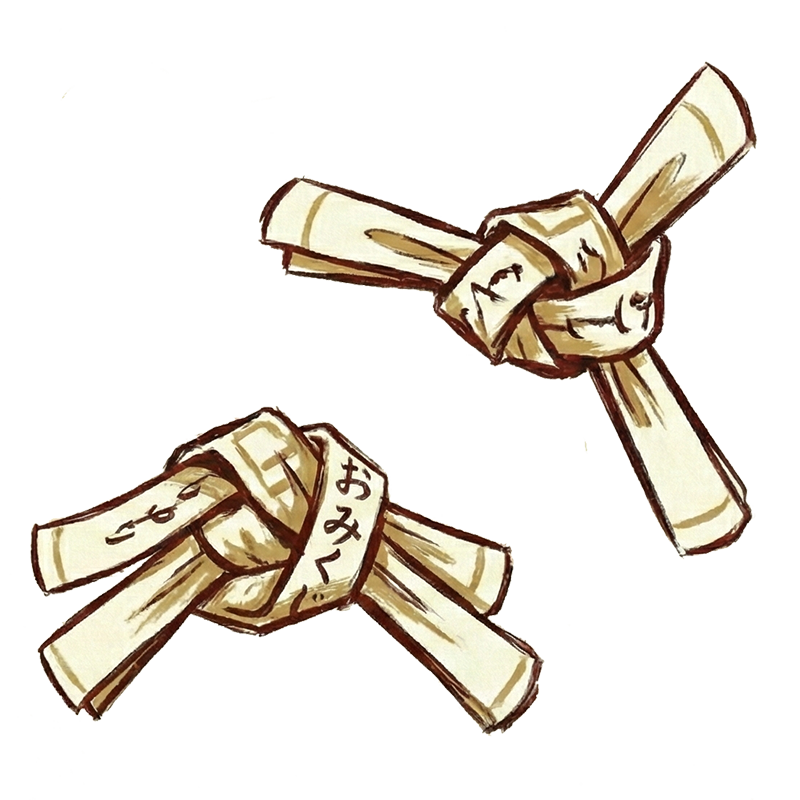
After drawing an omikuji, have you ever wondered “can I draw again?” or “I got kyo, so I want a re-draw”? The conclusion is that there is no official limit on how many times you can draw omikuji. However, “you can draw as many times as you want” and “you should keep re-drawing” are entirely different things. This article organizes the rules around drawing multiple times in one day, drawing daily, and re-drawing, based on the original meaning and proper etiquette of omikuji.
御要旨
- There Is No Problem Drawing Omikuji Multiple Times in One Day
- Re-Drawing Is Not a “Do-Over” but a “Different Consultation”
- Drawing Omikuji Every Day Is Close to an Ancient Practice
- Drawing at Multiple Shrines on the Same Day Is Not Disrespectful
- Reasons You Do Not Need to Re-Draw When You Get Kyo
- The Psychology Behind Wanting to Draw Multiple Times, and the Right Approach
- Temples and Shrines Have Different Approaches to Omikuji
- In Closing
There Is No Problem Drawing Omikuji Multiple Times in One Day
The most common question about omikuji frequency is “how many times per day can I draw?” The answer is that there is no official limit on the number of omikuji draws. The Association of Shinto Shrines (Jinja Honcho) does not set a “once per day” rule, and there is no divine punishment for drawing multiple times.
Omikuji are fundamentally “words” or “guidance” from the deity, and drawing one with each shrine visit is the natural way. If you are visiting multiple shrines on the same day, drawing omikuji at each is a perfectly natural act.
Jinja Honcho Does Not Set a Limit on the Number of Draws
In the official worship etiquette guide from Jinja Honcho, omikuji are described as “something to re-read as a guideline for life” (Source: Jinja Honcho “Worship Etiquette”). There is no mention of limits on the number of draws, and the guide states: “We hope you will re-read the omikuji you have drawn and reflect on how it applies to your own actions.” In other words, what matters is not the number of draws but “how you receive the result.”
However, Re-Drawing Multiple Times at the Same Shrine on the Same Day Departs from the Original Purpose
Just because there is no limit does not mean re-drawing omikuji repeatedly at the same shrine on the same day aligns with the original purpose. Omikuji are not fortune-telling do-overs but a way to receive and accept the words the deity has given you at that moment. Re-drawing because you did not like the result is like getting a health checkup and, unhappy with the results, going to different clinics for more tests — it does not address the root issue.
The true meaning of “you can draw as many times as you want” is that “there is no restriction on drawing at different occasions or different times” — not that “you can keep drawing until you get a result you like.” (Understanding this distinction fundamentally changes how you approach omikuji.)
Re-Drawing Is Not a “Do-Over” but a “Different Consultation”
Re-drawing omikuji is not inherently wrong. The issue is re-drawing because “I did not like the result.” To properly use omikuji, it is important to clarify the purpose of your re-draw.
Drawing for Different Wishes Is Not a “Re-Draw”
For example, drawing once for career fortune and then for love fortune, or drawing once for yourself and then for a family member — these are not “re-draws” but “different consultations.” Since the topics differ, there is no issue with drawing multiple times.
In practice, it is quite common for visitors to draw multiple types of omikuji during a single visit. Drawing both a love omikuji and a regular omikuji, or drawing at both the main hall and a sub-shrine within the grounds, are usage patterns that shrines fully anticipate.
Repeatedly Re-Drawing the Same Question Diminishes the Value of Omikuji
On the other hand, “keep drawing until I get daikichi” or “I got kyo so I will keep drawing until I get something I like” — these types of re-draws undermine the very value of omikuji. Omikuji are like weather forecasts: what matters is how you act after learning the result. No one re-checks the weather forecast repeatedly until they see “sunny.”
Some shrines do advise “please limit yourself to one omikuji per day.” This is not a strict religious commandment but rather reflects the shrine’s wish that “we hope you will treasure the first omikuji you drew”. (The sight of someone drawing from the same box over and over is not particularly graceful, either.)
Drawing Omikuji Every Day Is Close to an Ancient Practice
For the question “is it okay to draw omikuji every day?” the answer is also “no problem.” In fact, drawing daily is quite natural when viewed from the history of omikuji.
The “Ganzan Daishi Hyakusen” (Hundred Lots), considered the prototype of omikuji, was devised by the Heian-period monk Ryogen as a way to obtain daily guidance. Originally, omikuji were not “something to draw only on special occasions” but a tool for seeking divine guidance in daily life when facing decisions.
The Ganzan Daishi Hyakusen Was Used for Daily Decision-Making
The Ganzan Daishi Hyakusen contained 100 types of lots and was drawn to ask “how should I act today?” or “is this the right decision?” In other words, omikuji were originally not just “okay to draw daily” but were a tool “designed to be used for daily decision-making.”
Drawing omikuji every day is like keeping a diary. Learning your fortune for the day and using it as a prompt to reflect on your actions transforms omikuji from mere luck-testing into “a habit of self-reflection.” (If you draw daily, you start to objectively observe how your behavior changes on daikichi days versus kyo days.)
If Drawing Daily, Keeping Records Doubles the Benefit
If you maintain a daily omikuji habit, recording the results increases your insights. “Last week was consistently shokichi, but this week I have moved up to chukichi.” “On the day I drew kyo and acted cautiously, things actually worked out.” This kind of reflection becomes possible.
Since omikuji content changes with the date, drawing consistently allows you to experience the flow and rhythm of your fortune. A simple note on your smartphone is sufficient, but using a service that keeps worship records makes it even more convenient.
Drawing at Multiple Shrines on the Same Day Is Not Disrespectful
When visiting multiple shrines during New Year’s or on a trip, some worry “is it rude to the deities to draw omikuji at each one?” The conclusion is that drawing omikuji at multiple shrines is not disrespectful.
Japanese Shinto is based on the concept of “yaoyorozu no kami” (eight million deities), where worshipping multiple deities is a natural practice. Drawing omikuji at Shrine A does not prohibit you from drawing at Shrine B. If anything, drawing at multiple shrines gives you multi-faceted guidance from different deities.
However, when results differ across shrines, the healthy approach is not to determine “which one is correct” but to receive them as “different messages from different deities.” If you get daikichi at one shrine and kyo at another, believing only the daikichi and ignoring the kyo is like throwing away a valuable warning.
| Situation | Is It Okay to Draw? | Key Point |
|---|---|---|
| Second draw at the same shrine on the same day | Best avoided | Treasure your first omikuji |
| Drawing at a different shrine on the same day | No problem | Accept each shrine’s message individually |
| Drawing at the same shrine the next day | No problem | Fortune changes with each new day |
| Drawing by a different method every day | No problem | Use as a daily guideline |
Reasons You Do Not Need to Re-Draw When You Get Kyo
The biggest reason people want to re-draw is surely “because I got kyo.” The impulse to draw again the instant you see kyo or daikyo is a natural reaction. However, there is absolutely no need to re-draw just because you drew kyo.
Kyo Is Not “Punishment” but “Warning”
Drawing kyo does not mean something bad will definitely happen that day. Kyo is a message that “your current state requires attention” — it is a warning, not a punishment. When a health checkup shows a “needs attention” item, no one just feels down without taking action. Now that you know what to watch for, acting cautiously based on that information can actually lead to better outcomes.
The character “kyo” is said by some to derive from “kyo” (meaning “anxiety held within the chest”). In other words, kyo is not “calamity coming from outside” but can also be read as a message to “turn your attention inward.” (When you draw kyo, that is precisely when you should carefully read the specific advice written on the omikuji.)
Even If You Re-Draw Daikichi, the First Omikuji Does Not Disappear
Even if you re-draw after getting kyo and receive daikichi, the original kyo omikuji does not become “as if it never happened.” Omikuji are not files that can be overwritten — they are words received from the deity at that moment.
The very act of “re-drawing because I got kyo” abandons the original function of omikuji: “reflecting on your current self.” Seeking only daikichi through re-draws is the same as listening only to agreeable opinions and ignoring uncomfortable advice.
The most correct response when drawing kyo is to carefully read the omikuji’s content and apply it to your life. Then, choose whether to tie it at the designated spot in the shrine or take it home. Tying a kyo omikuji carries the meaning of “leaving the misfortune at the shrine, entrusting it to the deity.”
The Psychology Behind Wanting to Draw Multiple Times, and the Right Approach
Wanting to draw omikuji multiple times is a natural human impulse. In psychology, there is a tendency called “confirmation bias” — a disposition to keep seeking information that is favorable to oneself. Drawing repeatedly until daikichi appears is precisely based on this confirmation bias.
However, the true purpose of omikuji is not “obtaining a result that feels good” but “receiving the message you need right now.” Understanding this difference alone fundamentally changes how you approach omikuji.
Tips for Incorporating Omikuji into Daily Life
Here are three principles for using omikuji not just as luck-testing but as a genuine daily guide.
- Regardless of whether the result is good or bad, read the content to the end. Only looking at the ranking and reacting emotionally is like judging a book by its cover
- Aim for once a day, using it as a guideline for the day’s actions. Drawing in the morning and reviewing in the evening makes it easier to notice connections between the omikuji’s words and your actions
- Read most carefully when you draw kyo. Knowing the specific caution points often provides more practical information than daikichi
You may draw omikuji every day, and if you are visiting multiple shrines on a trip, drawing at each is perfectly fine. What matters is not the number of times but your attitude after drawing.
Temples and Shrines Have Different Approaches to Omikuji
Shrines are not the only places where you can draw omikuji. Buddhist temples also offer omikuji, though the underlying philosophy differs between shrines and temples.
Shrine omikuji tend to emphasize fortune-telling as “words from the deity,” while temple omikuji tend to emphasize “teachings from the Buddha” as life guidance. Some temples, like Sensoji in Tokyo, maintain the tradition of Kannon Hyakusen (Hundred Lots of Kannon) with a kyo rate as high as approximately 30%. This reflects the Buddhist philosophy that “even harsh results should be accepted sincerely.”
Views on re-drawing also vary by temple. One head priest described omikuji as “a dialogue with the Buddha — re-drawing is like standing up in the middle of a conversation.” On the other hand, some temples say “if it is for a different request, drawing multiple times is fine.” What is universal is that “drawing repeatedly until you get a result you like is not the original purpose.”
In Closing
There is no problem drawing omikuji multiple times a day, every day, or at multiple shrines. No official rule restricts the number of draws. However, “re-drawing until you get a result you like” is the one practice that departs from the original purpose of omikuji. Omikuji are not a retry feature for fortune-telling but a way to receive the message you need at that moment. What matters is not “how many times you draw” but “how you receive what you have drawn.”
Omikuji Sando offers a personalized daily fortune derived from your date of birth, completely free of charge. Why not check today’s fortune and use it as a guide for the day?
