
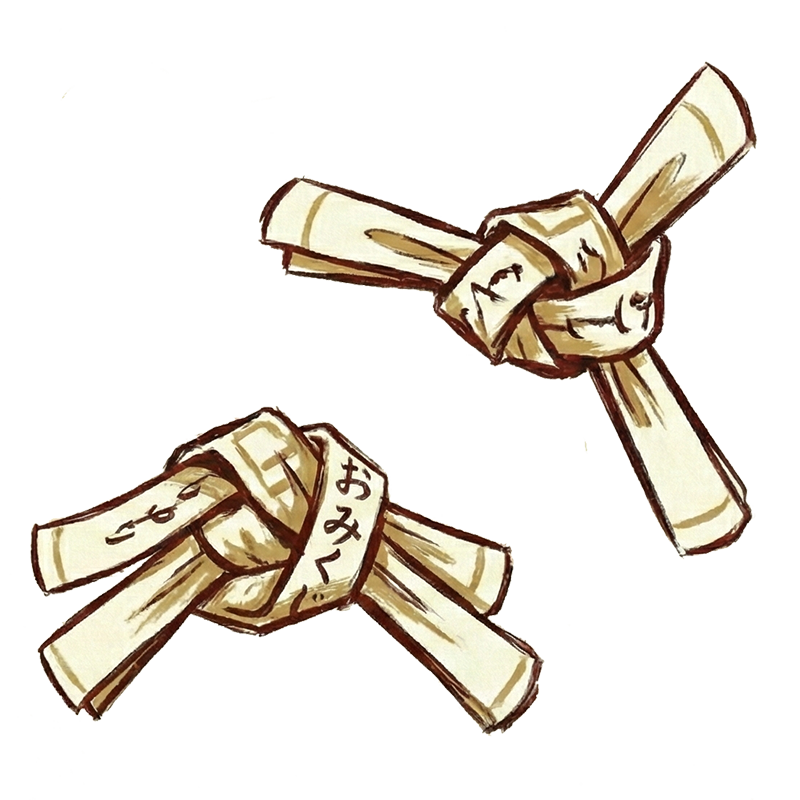
Have you ever found last year’s omikuji tucked in your wallet, or several old ones piling up in a drawer? Since omikuji carry messages from the gods and buddhas, many people are unsure how to properly dispose of them. The two main options are “returning them to a shrine or temple” and “letting them go respectfully at home.” This article covers the proper etiquette for returning omikuji, step-by-step home disposal, and the mistakes to avoid.
御要旨
- Tossing Omikuji Straight into the Trash Is Not Recommended
- The Most Formal Disposal Method Is Returning Them to a Shrine or Temple
- You Can Return Omikuji to a Different Shrine Than Where You Drew It
- The Best Time to Return Omikuji Is New Year’s or a Milestone Visit
- How to Dispose of Omikuji at Home
- How to Handle Last Year’s or Old Omikuji
- Mistakes to Avoid When Disposing of Omikuji
- Summary of Disposal Methods by Situation
- Final Thoughts
Tossing Omikuji Straight into the Trash Is Not Recommended
The first thing to understand is that crumpling up an omikuji and tossing it into the garbage should be avoided. Omikuji are “received” at shrines and temples, not purchased as products. The Jinja Honcho (Association of Shinto Shrines) website advises visitors to “read the contents carefully and reflect on how they relate to your own actions” (Source: Jinja Honcho).
In other words, an omikuji is not just a slip of paper with a fortune — it is divine guidance meant to help you reflect on your behavior. Even after it has served its purpose, letting go of it with gratitude is the proper approach. (That said, throwing one in the trash will not bring a curse upon you. What matters most is your attitude and intention.)
The origins of omikuji trace back to the Heian period, when Ganzan Daishi Ryogen devised the “Ganzan Daishi Hyakusen” (hundred-lot oracle). At that time, omikuji were used to guide national policy and religious ceremonies, and the notion of “throwing one away when finished” simply did not exist. Since modern omikuji still carry the words of the gods and buddhas, treating them with appropriate respect comes naturally.
The Most Formal Disposal Method Is Returning Them to a Shrine or Temple
The most formal way to part with an omikuji is to return it to a shrine or temple. Just like omamori (charms) and ofuda (sacred tablets), omikuji can be placed in the “Kosatsu Osamejo” (old charm collection box).
Place Them in the Kosatsu Osamejo
Most shrines and temples across Japan have a permanent location labeled “Kosatsu Osamejo,” “Nosatsujo,” or “Ko-shinsatsu Osamejo” where visitors can return old charms and omikuji. Items placed here are later collectively burned in a purifying ritual called Otakiage.
No special ritual is required when returning your omikuji. Simply place it quietly in the collection box. If you silently say “Thank you” in your heart, no further ceremony is needed.
Adding a Small Offering Is a Polite Touch
Many Kosatsu Osamejo locations have a small offertory box nearby. Adding a coin when you return your omikuji is a polite gesture, though there is no set amount. Most people offer between 100 and 500 yen. (Any amount is fine — even 10 or 50 yen.)
You Can Return Omikuji to a Different Shrine Than Where You Drew It
Many people believe “you must return your omikuji to the same shrine where you drew it,” but this is a misconception. Omikuji can be returned to a different shrine or temple without any issue.
Shrine Omikuji to Shrines, Temple Omikuji to Temples
There is one guideline worth keeping in mind: omikuji drawn at a shrine should ideally be returned to a shrine, and those drawn at a temple should be returned to a temple, since shrines follow Shinto and temples follow Buddhism.
That said, this is not a strict rule either. Some collection boxes serve both shrines and temples. If you are unsure, simply ask the staff at the shrine or temple whether they accept omikuji from other institutions.
What About Omikuji Drawn During a Trip?
There is no need to mail an omikuji back to the shrine where you drew it during a trip. Simply bring it to a local shrine’s Kosatsu Osamejo near your home. Some shrines do accept returns by mail, but always confirm through their official website or by phone first. When mailing, wrap the omikuji in white paper or Japanese tissue, include a note requesting Otakiage, and check whether a return envelope or burning fee is required.
The Best Time to Return Omikuji Is New Year’s or a Milestone Visit
People often wonder when the right time is to return their omikuji. The answer is that there is no deadline, but several natural turning points exist.
Hatsumode Is the Most Natural Timing
The most common approach is to bring last year’s omikuji along when visiting a shrine for hatsumode (New Year’s worship). Returning the old omikuji before drawing a new one for the year ahead is the most natural flow, and many worshippers follow this practice.
During the year-end and New Year period, many shrines set up temporary Kosatsu Osamejo, making returns even easier. Larger shrines may have special collection stations from mid-December through late January.
Dondo-yaki (Sagicho) Bonfires Are Another Option
“Dondo-yaki” (also known as Sagicho), held around January 15 (Koshogatsu, or Little New Year), is a traditional event where New Year decorations, charms, and old ofuda are burned in a purifying fire. Bringing your omikuji to be burned alongside these items is another proper disposal method.
Dondo-yaki events are held at shrines and by local communities across Japan. Check in advance what items are accepted. (Plastic charm cases and vinyl should not be included, so bring only the paper omikuji.)
“Whenever You Feel Like It” Is Also Fine
You do not need to wait until the New Year or Little New Year. Most shrines have permanent Kosatsu Osamejo year-round. If you find old omikuji while tidying a drawer, simply bring them the next time you visit a shrine. No shrine will refuse omikuji regardless of how old they are. (If you worry about returning a three-year-old omikuji, rest assured that shrines accept them regardless of age.)
How to Dispose of Omikuji at Home
For those who live far from a shrine, have health issues, or simply cannot make the trip, home disposal is an acceptable alternative. For elderly individuals or those in remote areas, traveling to a shrine may be a significant burden. If you follow the proper steps, disposing of omikuji at home is not disrespectful.
Purify with Salt, Wrap in Paper, and Let It Go
The most common procedure for home disposal is as follows:
- Spread out a sheet of white paper (Japanese washi is ideal, but copy paper works)
- Place the omikuji on top
- With gratitude in your heart, sprinkle a pinch of salt over the omikuji
- Carefully wrap the omikuji in the white paper
- Dispose of it with burnable trash
Salt has been used for purification since ancient times. Just as salt is used after Shinto rituals and funerals, it serves to purify the omikuji before you let it go. (No special salt is needed — regular table salt from your kitchen is perfectly fine.)
Precautions for Burning at Home
If you have a garden, you could burn the omikuji on a small plate or fireproof container. However, open burning is prohibited by local ordinances in many areas, so always check first. Burning on an apartment or condo balcony is a fire hazard and should be avoided.
Burning at home can risk fire or neighbor complaints. Rather than forcing a burn, the salt-and-paper method is the safest and simplest option.
How to Handle Last Year’s or Old Omikuji
“I still have last year’s omikuji” or “I have several from years ago piling up” — this is not unusual at all. Finding omikuji from years past tucked deep in a wallet or charm pouch is a common experience. There is no rush to dispose of old omikuji.
Keeping Old Omikuji Is Not a Problem
Omikuji have no expiration date, and there is nothing wrong with keeping them. The Jinja Honcho makes no mention of any time limit, stating only that the contents should be “read carefully and reflected upon in relation to your own actions.” What matters is rereading the message from time to time and using it as a guide for your behavior. Omikuji are like weather forecasts: the point is not just seeing the result but deciding “how to act based on what you have learned.”
That said, letting omikuji that have served their purpose sit neglected for years is not ideal from an emotional standpoint. Just like charms and ofuda, reviewing the omikuji you have on hand once a year and tidying them at a natural turning point is recommended.
If Keeping Them, Choose a Clean Storage Spot
Some people like to keep a Daikichi or a particularly meaningful omikuji as a keepsake. That is perfectly fine. However, rather than leaving it crumpled at the bottom of your wallet, store it neatly in a clean location. Good options include between the pages of a planner or diary, inside a goshuin-cho (temple stamp book) cover, or in a dedicated small box. Treating your omikuji with care is a way of showing respect for the message it carries.
Multiple Omikuji Can Be Returned All at Once
There is no limit on how many omikuji you can return to a Kosatsu Osamejo at once. Whether you have two or twenty, you can bring them all together. Putting them in an envelope or small bag keeps things tidy. However, avoid placing them inside plastic bags or containers, as these can release harmful substances during Otakiage. A paper envelope is the best option.
| Situation | Recommended Action |
|---|---|
| Last year’s hatsumode omikuji | Return to the Kosatsu Osamejo during this year’s hatsumode or next shrine visit |
| Several omikuji from past years | Gather them in an envelope and return at your next shrine visit |
| Omikuji drawn during a trip | Return to a nearby shrine (or temple) Kosatsu Osamejo |
| An omikuji you want to keep as a memento | No need to dispose. Store it carefully in a clean location. |
Mistakes to Avoid When Disposing of Omikuji
While there are few strict rules, the following actions should be avoided:
- Crumpling and throwing omikuji directly into the trash (lacks gratitude)
- Forcibly tying omikuji to tree branches on shrine grounds (can damage the tree)
- Disposing of someone else’s omikuji without permission (omikuji are personal messages)
- Placing omikuji in the Kosatsu Osamejo inside a plastic bag (interferes with Otakiage)
Pay special attention to tying omikuji to tree branches. While “omikuji should be tied to trees” is a common belief, it is closer to a folk custom than an official practice. Many shrines provide dedicated “omikuji tying racks” and do not recommend tying them to tree branches, which can break or damage the bark.
If you want to tie your omikuji, always use the designated “omikuji tying rack” or “mikuji-kake” at the shrine. If you cannot find one, ask the shrine office or take the omikuji home and return it later.
The popular notion that “you should tie Kyo (bad luck) but take Daikichi home” also has no official basis. Regardless of the result, taking the omikuji home and rereading its contents is closer to the original purpose of omikuji.
Summary of Disposal Methods by Situation
Here is a summary of everything covered, organized by situation. Choose the method that best fits your circumstances.
| Situation | Recommended Disposal Method | Key Point |
|---|---|---|
| A shrine or temple is nearby | Return to the Kosatsu Osamejo | Adding a small offering is a polite touch |
| The shrine where you drew it is far away | Return to a different nearby shrine | Shrine omikuji to a shrine, temple omikuji to a temple |
| You plan to visit a shrine around New Year’s | Return in bulk during hatsumode | Return old omikuji before drawing a new one |
| Your area holds a Koshogatsu event | Bring to a Dondo-yaki bonfire | Separate any plastic items; bring paper only |
| No plans to visit a shrine or temple | Purify with salt at home, wrap in white paper, dispose | Do not forget gratitude |
| You want to keep it as a memento | Do not dispose; store it | Keep in a clean spot (planner, goshuin-cho, etc.) |
Final Thoughts
There is no single “absolutely correct” way to dispose of omikuji. The most formal method is returning them to a shrine or temple’s Kosatsu Osamejo, but purifying with salt and wrapping in paper at home is also perfectly acceptable. What matters most is not how you dispose of it but whether you truly took the message to heart and applied it to your actions. (If you come across an old omikuji, try rereading it one last time before letting it go — you may discover a new insight.)
For anyone looking to start a daily omikuji habit, Omikuji Sando is the perfect place. It offers a personalized “today’s fortune just for you” based on your date of birth, with 12 tiers of authentic readings available for free every day.
