
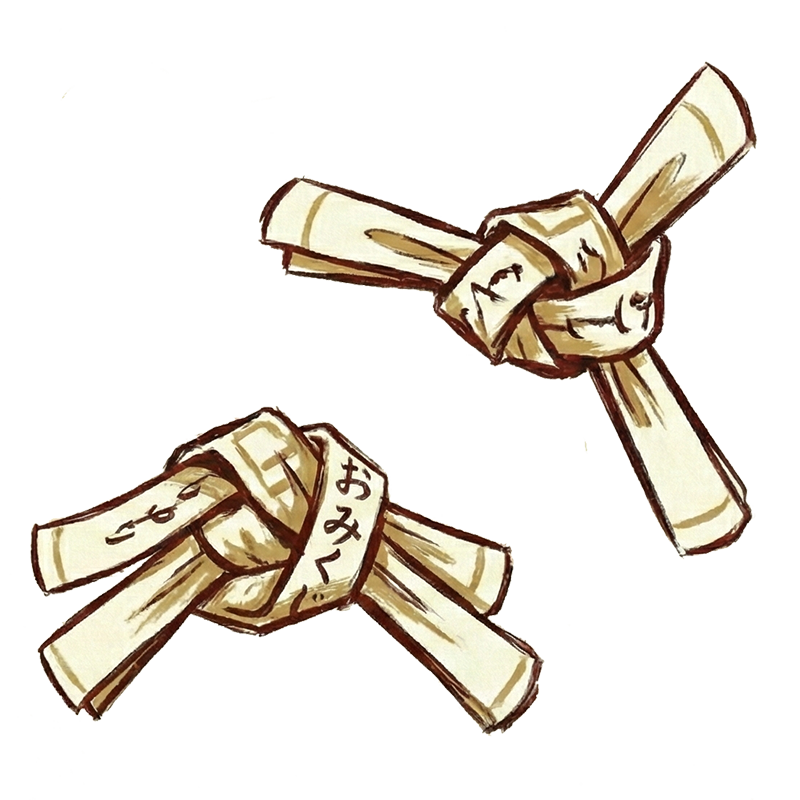
Have you ever wondered how long your omikuji fortune stays valid after you draw it? The short answer is that omikuji have no official expiration date. However, depending on when and why you drew one, there are commonly accepted guidelines for when it has served its purpose. This article explains how to think about the duration of an omikuji’s relevance and what to do with it once it has fulfilled its role.
御要旨
- There Is No Official Expiration Date for Omikuji
- Hatsumode Omikuji Generally Last “Until the Next New Year”
- For Everyday Omikuji, the Guideline Is “Until Your Wish Is Resolved”
- You Are Free to Decide When to Draw a New Omikuji
- The Proper Way to Use Omikuji Is to Take Them Home and Reread Them
- What to Do When You Want to Get Rid of a “Kyo” (Bad Luck) Omikuji
- Three Habits to Apply Your Omikuji’s Message to Daily Life
- Final Thoughts
There Is No Official Expiration Date for Omikuji
No official institution, including the Association of Shinto Shrines (Jinja Honcho), has ever set a formal expiration date for omikuji. The Jinja Honcho website advises visitors to “read the contents carefully and reflect on how they relate to your own actions,” with no mention of any time limit (Source: Jinja Honcho).
Similarly, interviews with shrine priests published in various media consistently state that “there is no particular expiration date for omikuji. Whether you draw one yearly, monthly, or weekly is perfectly fine” (Source: Okumiya Shrine).
In other words, there is absolutely no rule stating that omikuji are “valid for a certain number of days” or “expire after a certain number of months.” Many people assume there must be an expiration date, but in reality, no such rule exists.
The origins of omikuji trace back to the Heian period, when Ganzan Daishi Ryogen devised the “Ganzan Daishi Hyakusen” (hundred-lot oracle). At that time, omikuji were used to guide national politics and religious ceremonies, and the concept of an “expiration date” simply did not exist. Modern omikuji carry on this tradition, and historically, there has never been a culture of setting time limits on them.
Hatsumode Omikuji Generally Last “Until the Next New Year”
Although there is no official expiration, omikuji drawn during hatsumode (the first shrine visit of the new year) have a natural turning point. Most people consider “from New Year’s Day to the end of the year” or “until the next hatsumode” as a reasonable guideline, and this is the most widely shared perspective.
Many People Keep Theirs Until the Year Changes
Hatsumode omikuji are generally understood as fortune readings for that year. In practice, many people place their New Year’s omikuji in their wallet and carry it throughout the year, then return it to a shrine at year’s end. Think of omikuji like a weather forecast: once you know the general outlook, you can adjust your daily actions accordingly. That is the original purpose of omikuji.
There is a practical reason for the one-year timeframe. Omikuji cover categories like romance, career, health, and financial fortune, all of which take time to unfold. Since results in these areas are hard to judge within a week or a month, a full year feels like a natural span.
Setsubun (Around February 3) Can Also Mark the Turning Point
In the traditional Japanese calendar, Setsubun marks the turning of the year. According to the old lunar calendar, the new year begins at Risshun (around February 4), so some people consider their hatsumode omikuji valid only until Setsubun.
Shrines that emphasize traditional astrology such as Kyusei Kigaku (Nine Star Ki) consider fortune cycles to shift at Setsubun, and many visitors redraw their omikuji around this time. Neither approach is more correct than the other; simply choose whichever feels right to you.
For reference, here is a summary of common perspectives on omikuji timeframes:
| Perspective | Timeframe | Basis |
|---|---|---|
| Calendar year | January 1 to December 31 | Common understanding that omikuji reflect the year’s fortune |
| Setsubun cycle | Risshun to the following Setsubun | Traditional calendar and Nine Star Ki astrology |
| Wish fulfillment | Until your wish has an outcome | The original role of omikuji as personal advice |
| Next drawing | Until you draw your next omikuji | The newest message becomes your latest guidance |
For Everyday Omikuji, the Guideline Is “Until Your Wish Is Resolved”
When you draw an omikuji outside of hatsumode, the timeframe becomes even more flexible. If you drew one at a shrine during a trip or when you had a specific worry, the natural endpoint is “when that wish or concern has been resolved.”
For example, if you drew an omikuji during a job search and it said “Career: Wait and good things will come,” you could consider the omikuji’s purpose fulfilled once you find a new job. If you drew one about a romantic concern, the turning point would be when the situation changes.
Omikuji are less about predicting the future and more about receiving “advice for where you are right now” from the gods and buddhas. When the advice no longer matches your current situation, it makes sense to draw a new one for fresh guidance. It is similar to a health checkup: when your circumstances change, you naturally need a new assessment.
You Are Free to Decide When to Draw a New Omikuji
Many people believe that you can only draw one omikuji per day or one per year at hatsumode, but there is no official rule about how often you can draw. Drawing every day or every week is perfectly acceptable. However, there are some points of etiquette to keep in mind when redrawing.
Drawing Multiple Times at the Same Shrine on the Same Day Misses the Point
Drawing an omikuji is an act of listening to divine guidance. If you keep redrawing at the same shrine on the same day simply because you did not like the result, you are essentially ignoring the advice and repeating until you get the answer you want. It is like rewriting a test over and over until you happen to get the right answer, which defeats the original purpose.
If you are unsatisfied with your result, start by rereading the contents carefully. Most people focus only on the overall rank (Daikichi, Kyo, etc.), but the truly important part is the specific advice written in each individual category.
Once You Draw a New Omikuji, the Old One Has Served Its Purpose
Whether at the same shrine or a different one, once you draw a new omikuji, the previous one has fulfilled its role. Your latest omikuji is “the current message for you,” and older ones become past advice.
There is no problem with carrying multiple omikuji at the same time, but if the contents contradict each other and cause confusion, use the most recent one as your guide. There is a folk belief that carrying multiple charms causes “the gods to fight,” but no such tradition exists for omikuji. Feel free to keep them with you.
The Proper Way to Use Omikuji Is to Take Them Home and Reread Them
Many people tie their omikuji to the designated rack at the shrine immediately after reading it. However, taking it home and rereading it multiple times is closer to the original purpose of omikuji. The Jinja Honcho officially states that “there is no problem with taking your omikuji home.”
Keeping It in Your Wallet or Planner Is Recommended
The easiest way to reread your omikuji regularly is to keep it in your wallet or planner. When you casually reread it during your commute or a work break, you may find that a line you overlooked on the day you drew it suddenly resonates with you.
This is why the effects of omikuji can be felt over a long time. The advice written on them is often universal, and when you reread it after some time has passed, you may have a moment where you think, “This is exactly what I needed to hear right now.” It becomes an opportunity for self-reflection, much like rereading an old diary.
Return Your Omikuji to a Shrine When It Has Served Its Purpose
When you feel your omikuji has reached its natural end, the polite way to dispose of it is to return it to a shrine’s “Kosatsu Osamejo” (old charm collection box) or bring it for “Otakiage” (ritual burning). You do not need to return it to the same shrine where you drew it; any nearby shrine will accept it.
There is no set time for returning omikuji. Some people bring them all at once during year-end cleaning, while others return last year’s omikuji during hatsumode. Most shrines have old charm collection boxes set up year-round and accept returns outside of the New Year period as well.
Throwing an omikuji in the trash will not bring bad luck, but returning it to a shrine gives you a clean sense of closure and lets you welcome your next omikuji with a fresh mindset. If you absolutely cannot visit a shrine, you can wrap it in white paper, sprinkle salt on it, and dispose of it with gratitude.
What to Do When You Want to Get Rid of a “Kyo” (Bad Luck) Omikuji
When you draw Kyo (bad luck) or Daikyo (great misfortune), it is natural to feel anxious and want to get rid of it immediately. However, simply holding a Kyo omikuji will not cause your luck to decline.
Here are some options for handling a Kyo result:
- Tie it at the shrine’s designated rack – This carries the meaning of “leaving the bad luck at the shrine grounds so it may turn toward a better direction.”
- Tie it with your non-dominant hand – An old tradition where accomplishing a difficult task serves as a form of discipline that turns your luck around.
- Take it home intentionally – Accept the Kyo content as “things to be cautious about” and use it as a personal reminder.
Feeling devastated by a Kyo result is like giving up after a health checkup shows “needs attention.” What matters is what you do afterward. Simply being mindful of the caution points your omikuji revealed is more than enough. In fact, the common interpretation at shrines is that “Kyo means you are at rock bottom, and things can only go up from here.”
The bottom line is that even Kyo omikuji have no expiration date, and there is absolutely no need to rush to throw them away.
Three Habits to Apply Your Omikuji’s Message to Daily Life
Rather than worrying about when your omikuji expires, focusing on how to apply its message is far more valuable. Here are practical habits to keep your omikuji from becoming a “draw and forget” experience.
| Habit | How to Do It | Benefit |
|---|---|---|
| Read it in the morning | Check your omikuji photo or the physical paper before your commute | Creates a daily action guideline and helps you live more intentionally |
| Reflect at month’s end | Compare the omikuji’s contents with what actually happened that month | Builds a self-analysis habit and provides guidance for the next month |
| Compare with your new omikuji | Note the differences between your previous and current readings | Helps you objectively see how your situation has changed |
Drawing an omikuji every day is like keeping a diary. It becomes a time to reflect on yourself, and tracking changes in your fortune brings rhythm to your daily life. Rather than thinking, “My omikuji has expired,” it is better to reframe it as, “It is time to receive new advice.” This mindset lets you enjoy omikuji more positively.
Getting overconfident after drawing Daikichi (great blessing) is like assuming you will pass a test without studying. When you get a good result, being mindful of the written advice is how you truly “make the most” of your fortune.
Pay attention to the waka (poem) on your omikuji as well. Most people only look at the rank and individual categories, skipping over the poem entirely, but the waka is often said to be the true heart of the omikuji. Looking up the meaning of the poem and savoring it will help you feel the omikuji’s message on a deeper level.
Final Thoughts
Omikuji have no official expiration date. If you drew one at hatsumode, “until the next hatsumode” is a reasonable guideline. If you drew one on an ordinary day, “until your wish is resolved” works well. But the most important thing is not worrying about expiration dates; it is rereading the contents and applying them to your daily actions. Omikuji are not so much about “predicting your luck” as they are about “receiving the advice you need right now.” Simply holding that perspective will transform the way you engage with omikuji.
Omikuji Sando offers a personalized fortune based on your date of birth, with 12 tiers of results available to draw for free every day. It is perfect for anyone who wants to make checking their daily fortune a habit. Draw today’s omikuji and discover the advice waiting for you.
