
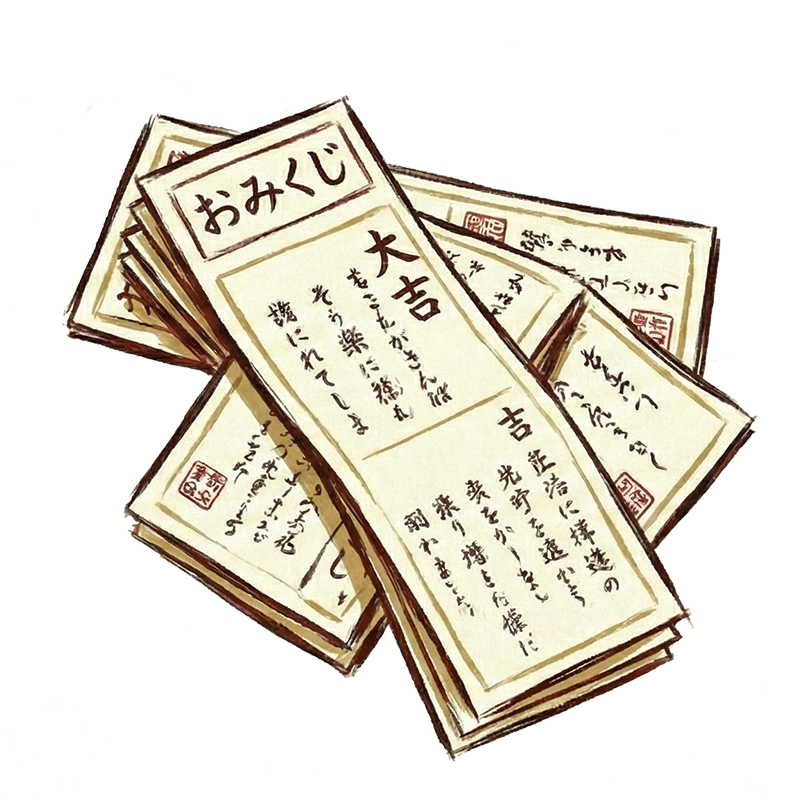
Kyoto is home to numerous shrines and temples famous for their omikuji. From adorable animal-shaped “kawari mikuji” (novelty omikuji), to “mizu-ura mikuji” (water divination omikuji) where letters appear when floated on water, to “koi mikuji” (love omikuji) for romantic wishes, Kyoto’s distinctive omikuji are one of the joys of sightseeing in the city. This article covers 25 carefully selected omikuji spots in Kyoto organized by area, with detailed information on the types of omikuji, their features, and offering prices at each location.
御要旨
- The Higashiyama area is the quintessential route for Kyoto omikuji touring
- The Sakyo Ward and Philosopher’s Path area is a treasure trove of animal omikuji
- The Arashiyama and Nishikyo area lets you enjoy omikuji surrounded by nature
- The Kita Ward and Kamigyo area features distinctive omikuji
- The Fushimi and southern area features expert-level spots recommended by Kyoto connoisseurs
- The Rakuhoku and Kifune area is the home of water divination omikuji
- The Shimogamo and Demachiyanagi area offers water omikuji and beauty prayers
- The Uji area is a paradise for rabbit-motif omikuji
- The Nakagyo and Rakuchu area offers notable omikuji right in the city center
- Hidden gem omikuji spots in the Rakusei and other areas
- Three model courses for Kyoto omikuji touring
- Worship etiquette to know for Kyoto omikuji touring
- In closing
The Higashiyama area is the quintessential route for Kyoto omikuji touring
Higashiyama is home to iconic Kyoto landmarks like Kiyomizu-dera and Yasaka Shrine. The variety of omikuji is also extensive, with unique finds like love omikuji and bond-cutting omikuji available only here. With half a day, you can visit multiple temples and shrines, making it an ideal starting point for omikuji tours.
Yasaka Shrine — Love omikuji and the matchmaking at Okuninushi-sha
At Yasaka Shrine, the symbol of Gion, visitors can find “Koi Mikuji” (Love Omikuji, 200 yen) in addition to regular omikuji. Written on pink washi paper with a waka poem and its interpretation, the love omikuji offers guidance and principles for romance. The Okuninushi-sha within the grounds is known as a deity of matchmaking, drawing a constant stream of visitors who draw a love omikuji and then pray there. (Each love omikuji features a different waka poem, making it fun to compare with friends.)
Jishu Shrine — A matchmaking sanctuary known for its love-divination stones
Jishu Shrine, located within the grounds of Kiyomizu-dera, is nationally renowned as the shrine of the matchmaking deity. The grounds feature two “Love-divination Stones” said to date from the Jomon period: if you can walk from one stone to the other with your eyes closed, your love will come true. The omikuji is the “Love Fortune Omikuji” (200 yen), with content focused on romantic fortune. (Surrounding visitors often call out “a little more to the right” to those walking with their eyes closed, a charming scene unique to Jishu Shrine.)
*Jishu Shrine may be closed during periods of shrine building restoration. Please check the official website for the latest information before visiting (Source: Jishu Shrine Official Website).
Yasui Konpiragu — “Bond Omikuji” revealing your bad-connection score
Known as the shrine for “cutting bad bonds and forging good ones,” Yasui Konpiragu offers a unique “En Mikuji” (Bond Omikuji, 300 yen) found nowhere else. It features a poem by the enshrined deity Emperor Sutoku and shows your “bad connection score” as a percentage. The lower the number, the more blessed you are with good connections; the higher it is, the more you need to watch for negative influences. Regular omikuji (100 yen) are also available separately. (There is something strangely convincing about seeing your bad-connection score as a number.)
Kennin-ji — The power of the Twin Dragons and Zen temple omikuji
At Kennin-ji, Kyoto’s oldest Zen temple, the ceiling painting of twin dragons in the Dharma Hall is breathtaking. The omikuji features a calm design inscribed with Zen teachings, at an offering price of 100 yen. While not flashy, the words rooted in Zen philosophy resonate deeply. With national treasures like the Wind God and Thunder God Screen, this is a temple where you will want to take time for a thorough tour after drawing your omikuji.
Rokuhara Mitsu-ji — “Fortune-telling Omikuji” based on Four Pillars of Destiny
The “Kaiun Suimei Omikuji” (Fortune-telling Omikuji, 100 yen) at Rokuhara Mitsu-ji uses Four Pillars of Destiny astrology based on your date of birth and gender to divine your year’s fortune. Unlike typical omikuji, you receive a personalized fortune chart, which has earned a reputation for accuracy through word of mouth. Both a limited edition available from New Year’s Day through Setsubun and a year-round version exist (Source: Rokuhara Mitsu-ji Official Website).
The Sakyo Ward and Philosopher’s Path area is a treasure trove of animal omikuji
Along the Philosopher’s Path stretching from Ginkaku-ji to Nanzen-ji, temples and shrines offering distinctive animal omikuji are scattered about. The joy of collecting omikuji while strolling makes this area especially recommended for those who love cute things.
Okazaki Shrine — The holy ground of rabbit omikuji
Affectionately known as the “Rabbit Shrine,” Okazaki Shrine features rabbit statues throughout its grounds. The “Usagi Mikuji” (Rabbit Omikuji, 500 yen) contains an omikuji inside a white ceramic rabbit, and since each one has a different expression, there is the fun of choosing your favorite. Known for blessings of conception, safe childbirth, and matchmaking, “guardian rabbits” stand before the main hall instead of the usual guardian dogs to welcome visitors. (Collectors who display rabbit omikuji at home are numerous, making this a shrine with no shortage of repeat visitors.)
Otoyo Shrine — All 18 types of animal omikuji assembled
Tucked quietly along the Philosopher’s Path, Otoyo Shrine is one of Kyoto’s premier animal omikuji spots with a full collection of 18 types of animal omikuji (500 yen each). In addition to the 12 zodiac animals, the lineup includes unusual animals like cats, foxes, and golden kites. The shrine’s subsidiary guardian “mouse” statues are rare nationwide, and the standing-pose mouse omikuji is particularly popular. (Trying to collect all 18 types means many return visits, but that also creates more opportunities for worship.)
Heian Jingu — Grand vermillion torii and orthodox omikuji
Founded in 1895 (Meiji 28), Heian Jingu is known for its approximately 24-meter-tall grand torii gate and expansive garden. The omikuji is a traditional paper type (200 yen) with elegant content featuring waka poetry. The garden is especially stunning during cherry blossom season in spring and autumn foliage, offering the luxury of strolling through the grounds after drawing your omikuji.
The Arashiyama and Nishikyo area lets you enjoy omikuji surrounded by nature
The Arashiyama area, centered around the Togetsukyo Bridge, brings together spots where you can enjoy omikuji alongside bamboo grove and Katsura River scenery. Including temples along the Randen (Keifuku Electric Railway) line makes for efficient touring.
Nonomiya Shrine — Matchmaking omikuji connected to The Tale of Genji
Nonomiya Shrine, nestled within Arashiyama’s bamboo grove, is known as the setting for the “Sakaki” chapter of The Tale of Genji. Marked by the “kuroki torii” (black wood torii gate), said to be Japan’s oldest torii style, the shrine offers blessings for matchmaking, fertility, and safe childbirth. The omikuji is the “En-musubi Mikuji” (Matchmaking Omikuji, 300 yen), featuring romance-focused content. Drawing omikuji in the tranquil grounds beyond the bamboo path holds a special charm.
Matsuo Taisha — The deity of sake and barrel fortune-telling
Matsuo Taisha, which enshrines the ancestral deity of brewing, is revered nationwide by sake industry professionals as the deity of alcohol. The unique “Taru Uranai” (Barrel Fortune-telling) has you shake a sake barrel-shaped container to draw your omikuji. The grounds are lined with rows of dedicated sake barrels, creating an irresistible sight for sake lovers. (If the sake deity’s omikuji gives you “Dai-Kichi,” tonight’s drink might taste even better.)
Kurumazaki Shrine — The prayer stones visited by celebrities
Within Kurumazaki Shrine’s grounds sits the Geino Shrine, dedicated to the deities of performing arts. After drawing an omikuji (200 yen), you can receive a “Prayer Stone” at the shrine office, and when your wish is granted, you write a message of thanks on a stone you found yourself and return it. The shrine is also famous for visits by many entertainers, with their names densely lining the fence rails.
Suzumushi-dera (Kegonji) — The temple of the sandal-wearing Jizo
Officially named Kegonji, it is popularly known as “Suzumushi-dera” (Bell Cricket Temple) because the sound of bell crickets can be heard year-round. After listening to the head priest’s humor-filled sermon, visitors receive the “Kofuku Omamori” (Happiness Charm, 300 yen). The Jizo statue at the temple gate is the only one in Japan that wears straw sandals, said to walk to your home to grant a single wish. Drawing the omikuji (100 yen) after the sermon is recommended. (Hearing the sermon before reading the omikuji changes how you receive the words.)
The Kita Ward and Kamigyo area features distinctive omikuji
The Kita and Kamigyo areas, home to Kinkaku-ji and Kitano Tenmangu, offer unique omikuji found nowhere else, including animal omikuji and “cinderella story” omikuji. Some hidden gems are just a short detour from the main tourist routes.
Kamigamo Shrine — Yatagarasu omikuji in a World Heritage sacred space
At World Heritage-listed Kamigamo Shrine (Kamowakeikazuchi Shrine), the “Yatagarasu Mikuji” (Three-legged Crow Omikuji, 500 yen) features the three-legged crow, the divine messenger. The omikuji is tucked inside a crow figurine, with the shrine’s crest, the double-leaf hollyhock (futaba aoi), painted on its belly. The sacred atmosphere created by the Nara-no-ogawa stream flowing through the grounds and the cone-shaped “tatesuna” sand mounds is unmatched in Kyoto.
Kitano Tenmangu — The god of learning and ox omikuji
Kitano Tenmangu, dedicated to Sugawara no Michizane, is the head shrine of approximately 12,000 Tenmangu and Tenjin shrines nationwide. Bronze “rubbing ox” statues associated with Michizane dot the grounds, and the “Ushi Mikuji” (Ox Omikuji, 500 yen) is very popular. Inside a golden ox figurine is an omikuji, and the shrine is bustling during exam season with students praying for academic success. Kitano Tenmangu also offers “Mizu-ura Mikuji” (Water Divination Omikuji, 300 yen), where floating the paper on sacred water reveals the hidden text.
Imamiya Shrine — The Cinderella legend and Waka Princess Omikuji
Imamiya Shrine, also known as the “Cinderella Shrine” (Tamanokoshi Jinja), is connected to Otama-no-kata (Lady Keishoin), who rose from a vegetable vendor’s daughter to become a consort of the third Tokugawa Shogun, Iemitsu. The “Waka Hime Mikuji” (Waka Princess Omikuji, 300 yen) features waka poems from The Tale of Genji with elegant illustrations of women in twelve-layered ceremonial robes (junihitoe). Lightly scented and usable as a bookmark, it is a beautiful keepsake. After your visit, be sure to try the famous “aburimochi” (grilled rice cakes) at the gate. (Reading your omikuji while eating aburimochi is the quintessential Imamiya Shrine experience.)
Hirano Shrine — “Squirrel’s Oracle” at a cherry blossom haven
Hirano Shrine, known for its approximately 60 varieties and 400 cherry trees, offers the popular “Risu no Otsuge” (Squirrel’s Oracle, 800 yen) featuring a squirrel, the divine messenger. Holding a cherry blossom and with a curled tail where the omikuji is tucked, the adorable squirrel is a design you will want to take home. Visiting during spring cherry blossom season offers the luxurious experience of drawing a squirrel omikuji under a canopy of blossoms.
Goou Shrine — The wild boar shrine’s boar omikuji
Goou Shrine, located west of the Imperial Palace, is affectionately known as the “Wild Boar Shrine” because its deity, Wake no Kiyomaro, was legendarily protected by 300 wild boars during the Dokyo Incident. “Guardian boars” stand in place of guardian dogs, and a boar-shaped omikuji (500 yen) is offered. Also worshipped as a guardian deity of legs and feet, the shrine attracts many athletes and visitors with leg or foot concerns.
The Fushimi and southern area features expert-level spots recommended by Kyoto connoisseurs
The Fushimi and southern area, home to Fushimi Inari Taisha and Iwashimizu Hachimangu, is slightly removed from central Kyoto but offers omikuji you cannot draw anywhere else. Fushimi Inari’s “Dai-Dai-Kichi” in particular is a special fortune that every omikuji enthusiast wants to aim for at least once.
Fushimi Inari Taisha — 17-level omikuji with “Dai-Dai-Kichi”
Fushimi Inari Taisha, world-famous for its thousands of vermillion torii gates, features a nationally rare system of 17 fortune levels. Above the standard Dai-Kichi sits “Dai-Dai-Kichi” (Super Great Blessing), and within Kichi there are refined distinctions like “Mukai Dai-Kichi” and “Nochi Kichi.” The offering price is 200 yen. At the Araki Shrine within the grounds, fox-shaped “Kuchire Ningyo” (matchmaking figurines) and “Kitsune Mikuji” (Fox Omikuji) are also available, with a full range of fox-motif goods embodying Inari worship (Source: Fushimi Inari Taisha Official Website). (The reaction of those who draw Dai-Dai-Kichi is many times more joyful than that of a regular Dai-Kichi.)
Iwashimizu Hachimangu — Facing dove omikuji and the fortune ranking of “Hei”
Iwashimizu Hachimangu, one of Japan’s three great Hachiman shrines, sits atop Mount Otoko. The “Hato Mikuji” (Dove Omikuji, 700 yen) features a white ceramic dove holding an omikuji in its beak and is a beloved favorite. What makes Iwashimizu Hachimangu’s omikuji distinctive is that in addition to “Dai-Kichi,” “Kichi,” and “Kyo,” it includes the rare results of “Hei” (Calm) and “Mibun” (Not Yet Determined). “Hei” means a peaceful, undisturbed state, and is a unique ranking found only at Iwashimizu Hachimangu.
The Rakuhoku and Kifune area is the home of water divination omikuji
Kifune and Kurama, known as the “inner parlor of Kyoto,” are enveloped in the cool mountain air, distinct from the city center. Kifune Shrine’s water divination omikuji is widely known as one of Kyoto’s signature omikuji experiences.
Kifune Shrine — The originator of water divination omikuji
Kifune Shrine, dedicated to the deity of water sources, offers the “Mizu-ura Mikuji” (Water Divination Omikuji, 200 yen), which appears blank when you first receive it. Gently floating it on the shrine’s sacred water causes letters to gradually emerge through the power of the water. The suspense of those few seconds waiting for the result to appear is an experience impossible with regular omikuji. QR codes supporting four languages (English, Chinese, Korean, and Taiwanese) are included, making it popular with international visitors too (Source: Kifune Shrine Official Website). The stone steps lined with red lanterns are one of Kyoto’s most iconic views, especially stunning during winter snow and the summer kawadoko (riverside dining) season. (The moment when letters emerge on the blank paper never stops being magical, no matter how many times you experience it.)
Kurama-dera — Mountain temple omikuji steeped in tengu legend
Kurama-dera, where Ushiwakamaru (Minamoto no Yoshitsune) is said to have trained, has its main hall about a 30-minute walk from Eizan Electric Railway Kurama Station up into the mountains. Omikuji are distributed at the main hall Kondo (200 yen), and drawing omikuji in the atmosphere of this sacred mountain, rich with mountain worship and tengu (mythical mountain goblin) legends, carries a special weight. Kifune Shrine and Kurama-dera are connected by a mountain trail, and the approximately one-hour hike between them is a popular course.
The Shimogamo and Demachiyanagi area offers water omikuji and beauty prayers
This area, centered on World Heritage Shimogamo Shrine, is surrounded by the primeval forest of Tadasu-no-Mori and offers a sacred atmosphere. Here you can experience water omikuji, matchmaking, and beauty prayers all in one visit.
Shimogamo Shrine — Water omikuji and matchmaking at Aioi-sha
At World Heritage Shimogamo Shrine (Kamomioya Shrine), the “Mizu Mikuji” (Water Omikuji, 300 yen) is floated on the Mitarashi River. Like at Kifune Shrine, letters appear when the paper is immersed in water, and the experience beside the clear stream flowing through Tadasu-no-Mori forest is wonderfully atmospheric. The Aioi-sha subsidiary shrine is known as the deity of matchmaking, with the “Renri-no-Sakaki” (intertwined sakaki tree) where two trees have grown into one serving as the sacred tree. Additionally, the subsidiary Kawai Shrine is famous for “beauty prayers”, with a unique style where visitors draw their ideal face on a hand-mirror-shaped votive tablet and offer it.
The Uji area is a paradise for rabbit-motif omikuji
The place name “Uji” was anciently written as “Ujido” (meaning “rabbit path”), and this area gathers shrines connected to rabbits. Beyond Uji tea and Byodo-in Temple, rabbit omikuji touring is another joy of sightseeing in Uji.
Uji Shrine — The “backward-glancing rabbit” omikuji
According to legend, when the enshrined deity of Uji Shrine, Ujinowakiiratsuko-no-Mikoto, lost his way, a rabbit guided him by repeatedly looking back. This “Mikaeri Usagi” (Backward-glancing Rabbit) omikuji (500 yen) features an adorable rabbit in a looking-back pose, believed to carry the blessing of guiding you to the right path. Within the grounds, you can also enjoy a “rabbit hunt” where you circle the main hall three times while finding three hidden rabbit statues (Source: Uji Shrine Official Website).
Ujigami Shrine — Colorful rabbit omikuji and seasonal goshuin
Located just near Uji Shrine, Ujigami Shrine is a World Heritage site housing the oldest existing shrine architecture in Japan (National Treasure). The “Usagi Mikuji” (Rabbit Omikuji, 300 yen) comes in four colors: pink, light blue, yellow, and white, with an adorable quality that makes you want to display them in a row. The seasonal goshuin (stamp seals) are also highly popular, with the winter-limited “snow rabbit” design sometimes selling out quickly. Visiting alongside Uji Shrine lets you complete a two-type rabbit omikuji collection.
The Nakagyo and Rakuchu area offers notable omikuji right in the city center
This central Kyoto area is convenient for quick visits between sightseeing activities. With shopping streets and cafes nearby, post-omikuji strolling is also enjoyable.
Rokkaku-do (Choho-ji) — Dove omikuji and love omikuji
At Rokkaku-do, known as the birthplace of ikebana (flower arranging), the “Hato Mikuji” (Dove Omikuji, 500 yen) modeled after the doves that gather in the grounds is popular. The unglazed ceramic dove perches as if on a branch while holding an omikuji, normally in light blue plumage, but with limited-edition pink in spring and gold in autumn. The “Koi Mikuji” (Love Omikuji) comes with a dove charm and provides specific advice including the ideal partner’s zodiac sign, blood type, and Chinese zodiac (Source: Rokkaku-do Official Website). (Repeat visitors collecting the seasonal color-variant dove omikuji are quite numerous.)
Nishiki Tenmangu — A shrine of learning in the heart of the shopping district
Facing Shinkyogoku-dori at the eastern end of Nishiki Market, Nishiki Tenmangu is conveniently located for a shopping-break visit. The omikuji (100 yen) is drawn by automatic omikuji machine, featuring an entertaining lion dance karakuri (mechanical doll) that delivers your fortune. Known for blessings in academic achievement and business prosperity, the shrine is deeply revered by the merchants of Nishiki Market.
Hidden gem omikuji spots in the Rakusei and other areas
Even slightly away from the center, there are omikuji spots well worth the trip. The appeal of hidden gems is the quiet grounds where you can engage with your omikuji without crowds.
Tanukidani Fudo-in — Raccoon dog omikuji for “surpassing others”
Deep in the mountains of Ichijoji, Tanukidani Fudo-in is known for the blessing of “tanuki” = “ta wo nuku” (surpassing others), meaning victory in competitions. The “Tanuki Mikuji” (Raccoon Dog Omikuji, 800 yen) features a ceramic raccoon dog with one paw raised, containing an omikuji inside, with a charming expression that is irresistible. The 250 stone steps to the main hall require some effort, but the refreshing atmosphere of the green-surrounded grounds is exceptional. (Drawing omikuji with the sense of accomplishment from climbing all those steps feels refreshing regardless of the result.)
Oharano Shrine — Sacred deer omikuji at a tranquil shrine in western Kyoto
Oharano Shrine, quietly situated in western Kyoto, enshrines the divided spirit of Nara’s Kasuga Taisha. As with Kasuga Taisha, deer are considered divine messengers, and the “Shinroku Mikuji” (Sacred Deer Omikuji, 700 yen) features a wood-carved deer holding an omikuji, evoking an atmosphere of refined elegance. The shrine was also revered by Murasaki Shikibu as her tutelary deity, drawing many fans of The Tale of Genji.
Three model courses for Kyoto omikuji touring
Visiting all 25 spots in a single day is not realistic. Here are three themed model courses. Choose based on your interests and enjoy efficient omikuji touring.
Romantic fulfillment course (half day, Higashiyama-centered)
| Time | Spot | Omikuji | Offering Price |
|---|---|---|---|
| Morning | Jishu Shrine (Kiyomizu-dera grounds) | Love Fortune Omikuji | 200 yen |
| Late morning | Yasaka Shrine | Love Omikuji | 200 yen |
| Noon | Yasui Konpiragu | Bond Omikuji | 300 yen |
| Afternoon | Shimogamo Shrine | Water Omikuji + Beauty prayers at Kawai Shrine | 300 yen |
Starting from Kiyomizu-Gojo Station, this route walks north through the Higashiyama area. With lunch in the Gion area, you can efficiently visit four romance-focused spots. (Lining up four love omikuji and comparing them, you may find surprisingly common messages among them.)
Cute animal omikuji course (full day, Sakyo to Kita Ward)
| Time | Spot | Omikuji | Offering Price |
|---|---|---|---|
| Morning | Okazaki Shrine | Rabbit Omikuji | 500 yen |
| Late morning | Otoyo Shrine | Animal Omikuji (all 18 types) | 500 yen |
| Noon | Kamigamo Shrine | Yatagarasu Omikuji | 500 yen |
| Afternoon | Hirano Shrine | Squirrel’s Oracle | 800 yen |
| Evening | Kitano Tenmangu | Ox Omikuji | 500 yen |
From Okazaki Shrine, stroll north along the Philosopher’s Path, then take a bus to Kamigamo Shrine, Hirano Shrine, and Kitano Tenmangu. You will complete a collection of five types of animal omikuji.
Water divination + Arashiyama course (full day, Rakuhoku to Arashiyama)
| Time | Spot | Omikuji | Offering Price |
|---|---|---|---|
| Morning | Kifune Shrine | Water Divination Omikuji | 200 yen |
| Late morning | Kurama-dera (reverse Kurama-Kifune hike) | Omikuji | 200 yen |
| Afternoon | Nonomiya Shrine | Matchmaking Omikuji | 300 yen |
| Evening | Kurumazaki Shrine | Omikuji + Prayer Stone | 200 yen |
Cover the Kifune and Kurama area in the morning, then take the Randen to Arashiyama in the afternoon for a dynamic course. You will enjoy both the mountain and city sides of Kyoto.
Worship etiquette to know for Kyoto omikuji touring
Before enjoying omikuji, brush up on basic worship etiquette. Drawing omikuji after proper worship allows you to receive the messages from the divine more deeply.
- Before drawing omikuji, first complete your worship at the main hall
- At shrines, the basic etiquette is “two bows, two claps, one bow”; at temples, join your palms in prayer
- Think of omikuji not as “fortune-telling” but as “advice from the divine”
- Even if you draw Kyo, there is no need to feel down. Accept it positively as “a heads-up about your current state”
- You may either tie your omikuji at the shrine or take it home; both are fine
- If taken home, keep it in your wallet or planner and re-read it occasionally
- When disposing of it, returning it to the shrine’s or temple’s “used charm collection box” is the proper method
Omikuji are like weather forecasts: what matters is how you act after learning the result. Do not become complacent with Dai-Kichi, and stay positive even with Kyo, applying it to your daily actions. That is the true way to enjoy omikuji.
In closing
Kyoto offers more than 25 omikuji spots, with a rich selection of cute animal omikuji, water-reveal water divination omikuji, and romance-fulfillment love omikuji. Even though they are all “omikuji,” each shrine and temple offers different formats and meanings, so visiting multiple spots lets you truly appreciate the depth of Kyoto’s religious culture. On your next trip to Kyoto, consider adding omikuji touring as a theme beyond the usual sightseeing landmarks. You are sure to discover a new way to enjoy Kyoto.
If you want to check today’s fortune before your trip, “Omikuji Sando” is recommended. It offers a personalized fortune derived from your date of birth, available to draw for free every day across 12 fortune levels. Drawing one on the morning of your Kyoto trip might make the day’s shrine visits even more enjoyable.
