
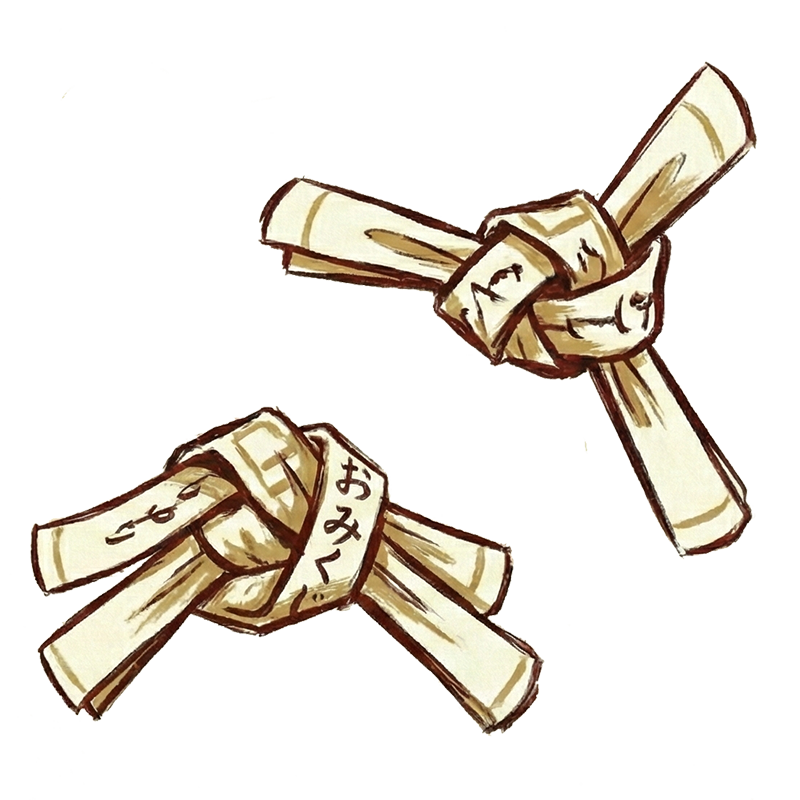
When drawing an omikuji at a shrine or temple, have you ever wondered, “Where was this single slip made?” In fact, approximately 60-70% of the omikuji found at shrines across Japan are manufactured by a single organization called “Joshidosha” (Women’s Moral Society) in Shunan City, Yamaguchi Prefecture. Moreover, its origins trace back to funding a women’s independence movement during the Meiji era. Behind every omikuji lies a story deeply intertwined with Japan’s modern history and women’s advancement in society. This article explores in detail the manufacturing origins of omikuji, the history and role of Joshidosha, and the actual production process.
御要旨
- About 70% of all omikuji in Japan are made in Shunan City, Yamaguchi Prefecture
- Joshidosha was born from a “women’s independence movement”
- The deep connection between Nisho Yamada Shrine and Joshidosha
- The omikuji production process remains largely handmade
- Joshidosha invented the “omikuji vending machine”
- The history of omikuji traces back to the Heian period
- The ratio of good to bad fortunes differs from shrine to shrine
- What Joshidosha teaches us about the “true meaning of omikuji”
- In closing
About 70% of all omikuji in Japan are made in Shunan City, Yamaguchi Prefecture
Many people assume each shrine makes its own omikuji, but in reality, approximately 60-70% of the omikuji used at shrines across Japan are manufactured centrally by Joshidosha in Shunan City, Yamaguchi Prefecture. This means that from Hokkaido to Okinawa, the omikuji you casually drew during your New Year’s shrine visit most likely came from the same place. (In restaurant terms, even if the ingredients come from one source, the seasoning differs from restaurant to restaurant. Similarly with omikuji, each shrine independently decides the ratio of fortune rankings.)
Shunan City is located on the Seto Inland Sea coast of Yamaguchi Prefecture with a population of approximately 140,000. While known as an industrial city, it also bears the lesser-known distinction of being “Japan’s top omikuji production city” (Source: Shunan City Official Website).
Joshidosha manufactures 18 types of omikuji
Joshidosha produces an impressive 18 varieties of omikuji. Beyond standard shrine omikuji, they have developed a diverse lineup adapted to changing times and needs.
| Omikuji Type | Features |
|---|---|
| Standard shrine omikuji | The most classic format with waka poetry and fortune rankings |
| Temple omikuji | Buddhist temple format using Chinese poetry |
| Love omikuji | Content focused specifically on romantic fortune |
| Children’s omikuji | Written in hiragana for easy reading by children |
| Flower omikuji | Designs featuring seasonal flowers |
| Gold/Red omikuji | Colored omikuji emphasizing financial fortune and good luck |
| Bilingual Japanese-English omikuji | Japanese and English side by side for international visitors |
| Event omikuji | Special editions for festivals and events |
With the increase in international tourists, demand for bilingual Japanese-English omikuji continues to grow year by year. The fact that omikuji function as an entry point into Japanese culture is a testament to Joshidosha’s ability to read the times.
Other omikuji manufacturers besides Joshidosha
While Joshidosha holds an overwhelming market share, other businesses are also involved in omikuji production.
- “Omikuji Kobo” in Ise City, Mie Prefecture: A novelty manufacturer producing original products like ceramic omikuji series
- “Original Omikuji Seisakusho”: Produces omikuji for events and concerts in small lots
- “Aso Karakuri Kenkyujo”: Manufactures omikuji machines using mechanical dolls
- Shrines that produce their own: Some shrines create their own messages, such as Meiji Jingu’s “Omigokoro”
However, in the field of “mass supply of standard omikuji to shrines and temples,” Joshidosha’s presence is unrivaled. It is even called the only dedicated manufacturer in the omikuji industry (Source: Original Omikuji Seisakusho).
Joshidosha was born from a “women’s independence movement”
Joshidosha’s reason for starting omikuji production was not the typical corporate motive of “seeking profit.” Its starting point was the distinctly social purpose of raising funds for a women’s independence movement during the Meiji era.
Founder Miyamoto Shigetane and the “Greater Japan Women’s Reverence Association”
Joshidosha was founded by Miyamoto Shigetane, who served as the chief priest of Nisho Yamada Shrine. In 1905 (Meiji 38), Miyamoto established the “Greater Japan Women’s Reverence Association” (Dai Nippon Keishin Fujin Kai). This was a nationwide organization aimed at improving the social status of women, with activities that were ahead of their time.
- Promoting Shinto education for women
- Campaigning for the appointment of women as Shinto priests
- Raising awareness and solidarity among priests’ wives
- Advocating for women’s suffrage
- Promoting Shinto-style weddings nationwide
Notably, these activities began six years earlier than Hiratsuka Raicho’s “Seitosha” (Bluestocking Society, established in 1911). This places it among the earliest women’s rights movements in Japan. (While “women’s empowerment” is a buzzword today, a Shinto priest in Yamaguchi Prefecture was putting it into practice 120 years ago.)
Omikuji production began as a funding source for the journal “Joshido”
In 1906 (Meiji 39), Miyamoto Shigetane launched “Joshido” (The Way of Women), the association’s official journal. However, publishing naturally requires funding. It was to secure this funding reliably that omikuji manufacturing and sales began.
In other words, Joshidosha’s omikuji were born as “a funding source to support women’s social advancement.” The noble purpose of sustaining a social movement, rather than profit seeking, lies at the origin of over a century of omikuji production. (Every time you draw an omikuji, you could say you are touching the aspirations of Meiji-era women.)
The deep connection between Nisho Yamada Shrine and Joshidosha
To understand Joshidosha, it is essential to know about its parent institution, Nisho Yamada Shrine. The two are inseparable both physically and historically.
Nisho Yamada Shrine was formed by merging two ancient shrines
Nisho Yamada Shrine was established in 1907 (Meiji 40) through the merger of “Nisho Shrine” and “Yamada Shrine.” Nisho Shrine is said to have been founded in 899 (Kanpyo 11) by inviting the enshrined deity from Izumo Taisha, while Yamada Shrine enshrines the deity of Ise Jingu. Both have long histories and have served as centers of regional faith (Source: Shunan City Official Website).
That the chief priest of this venerable shrine, Miyamoto Shigetane, would work from his religious position to improve women’s social status and conceive of funding these activities through omikuji production speaks to his deep consideration of the relationship between shrines and society.
Omikuji are still manufactured on shrine grounds today
Joshidosha continues to operate today in a location adjacent to the grounds of Nisho Yamada Shrine. Unlike typical factories, omikuji are produced within the sacred space of a shrine. This is not merely a matter of location but reflects the commitment to honoring the essence of omikuji as “messages from the divine” from the production stage itself.
Omikuji are mass-produced items, yet each individual slip passes through human hands at a shrine and is read as a guiding principle for life. The fact that the production base is integrated with a shrine speaks to the special meaning carried by Joshidosha’s omikuji.
The omikuji production process remains largely handmade
Despite delivering massive quantities of omikuji nationwide, Joshidosha’s production process is surprisingly analog. While printing is done by machine, the cutting, folding, and boxing processes are all performed by hand.
From printing to shipping
Omikuji production follows these major steps:
- Printing the omikuji text (mechanical printing process)
- Cutting the printed paper to the specified size
- Folding each slip by hand, one by one
- Sorting by type and fortune ranking
- Boxing and shipping to shrines and temples across Japan
The folding process in particular is entirely manual. Veteran workers can fold 6,000-7,000 omikuji slips per day, but beginners find it difficult to get the fold in just the right position. (You could say that artisan skill resides in the very fold of each omikuji.)
During the year-end rush, about 100 local women join the work
Demand for omikuji peaks, naturally, around the New Year. Massive quantities must be prepared for the visitors who come for their New Year’s shrine pilgrimage. During this busy period, about 100 local housewives take turns participating in the work (Source: MADE IN LOCAL).
Joshidosha was established in the Meiji era under the banner of “women’s independence.” The fact that over 100 years later, omikuji are still made by the hands of local women is proof that the founding philosophy lives on in a different form. In terms of creating local employment, Joshidosha also represents a significant presence for Shunan City.
Joshidosha invented the “omikuji vending machine”
The machines you see at shrines and temples where you insert coins and receive an omikuji? The “automated omikuji dispenser” was actually conceived by Joshidosha.
A groundbreaking system enabling omikuji distribution without staff
Before automated dispensers appeared, omikuji were generally distributed by hand by shrine priests or miko (shrine maidens). However, smaller shrines struggled to always have staff available, and could not offer omikuji to evening visitors.
The automated dispenser developed by Joshidosha solved this problem at once. A simple mechanism where inserting a coin triggers a spring that releases one folded omikuji, its impact was enormous, enabling shrines of all sizes across the country to offer omikuji.
Behind the nationwide spread of omikuji lies the existence of this automated dispenser. In essence, Joshidosha created not only the “production” but also the “distribution” system for omikuji. (Just as convenience stores spread “ease of entry” through automatic doors, the automated dispenser spread the “ease of drawing” omikuji across the nation.)
Joshidosha also introduced “waka poetry” into shrine omikuji
The Meiji-era “Separation of Shinto and Buddhism” decree clearly distinguished shrines from temples. Until then, omikuji mainly featured Chinese poetry, which was part of Buddhist temple culture. Joshidosha differentiated by inscribing traditional Japanese “waka” poetry on shrine omikuji.
Today, the presence of waka poems on shrine omikuji is a tradition that Joshidosha started and that has been carried forward. Waka is not mere decoration; the message at the very heart of the omikuji is condensed within those thirty-one syllables. Deciphering that poetic message is the authentic way to experience omikuji.
The history of omikuji traces back to the Heian period
Before Joshidosha began modern omikuji manufacturing, omikuji itself has a history spanning over 1,000 years. Knowing its origins deepens your appreciation for the weight carried by each single slip.
The “Ganzan Daishi Hyakusen” created by the priest Ryogen is the prototype
The origin of omikuji traces back to the Heian-period Tendai monk Ryogen (912-985), known by the posthumous name “Ganzan Daishi.” He is regarded as the reviver of Enryaku-ji temple on Mount Hiei.
The one hundred slips of five-character four-line verses (gemon) that Ryogen reportedly received through prayer to Kannon Bodhisattva form the prototype of omikuji: the “Ganzan Daishi Hyakusen.” In the early Edo period, the great monk Tenkai, who served three generations of Tokugawa shoguns, discovered these hundred verses at Togakushi Shrine in Shinano Province following a dream revelation from Ganzan Daishi. Since these numbered verses with their accompanying messages provided accurate guidance, the practice spread to shrines and temples nationwide.
Today, at the Ganzan Daishi Hall in Yokawa on Mount Hiei, the format from over 1,000 years ago is still followed: rather than drawing your own omikuji, the attending priest draws it on your behalf.
From the Meiji era onward, Joshidosha spread “modern omikuji” nationwide
Omikuji, born in the Heian period, were for a long time prepared individually by each temple and shrine. There was no unified manufacturer, and each institution produced them in its own format.
Joshidosha changed this landscape. From 1906 onward, Joshidosha “standardized” omikuji and established a system for supplying consistent-quality products to shrines across the country. Combined with the introduction of automated dispensers, which enabled even small shrines to offer omikuji, omikuji literally became something you could “draw anywhere in Japan.”
One reason omikuji culture has continued unbroken to the present day is undoubtedly the manufacturing and distribution system established by Joshidosha. (The fact that 120 years of work by a single organization has sustained a 1,000-year-old tradition is quite a grand story.)
The ratio of good to bad fortunes differs from shrine to shrine
You might wonder, “Does Joshidosha decide the content of omikuji?” In fact, while Joshidosha creates the text, the ratio of fortune rankings (how much Dai-Kichi to include, how much Kyo) is decided independently by each shrine.
The percentage of Dai-Kichi varies from 15% to 30% depending on the shrine
Generally, the probability of drawing Dai-Kichi is said to be about 15-20%, but this is only an average. Shrines that want visitors to leave with positive feelings set the Dai-Kichi ratio higher, while shrines that believe “tough results are part of the authentic omikuji experience” maintain a solid proportion of negative results.
| Distribution Approach | Dai-Kichi Ratio (Estimate) | Negative Fortune Ratio (Estimate) |
|---|---|---|
| Visitor-consideration focused | About 20-30% | About 5-10% |
| Balanced (most common) | About 15-20% | About 10-15% |
| Tradition focused | About 10-15% | About 15-30% |
Joshidosha manufactures omikuji and delivers them to each shrine, but the fortune ratios are adjusted according to orders. This means that even with the same Joshidosha-made omikuji, the probability of getting Dai-Kichi differs between Shrine A and Shrine B. (Omikuji are not “the same result just because the manufacturer is the same.” The interesting thing is that each shrine’s philosophy is reflected in the results.)
Many shrines do not include Dai-Kyo
Approximately 60% of shrines are said to exclude Dai-Kyo (great misfortune) from their omikuji. This stems from the consideration of not wanting to greatly dampen visitors’ spirits. Some shrines even exclude Kyo altogether. On the other hand, temples like Senso-ji have a high ratio of approximately 30% Kyo, demonstrating the vast differences between institutions.
It is human nature to react emotionally to omikuji results, but knowing that the results are determined not by the manufacturer but by each shrine’s philosophy on “how to engage with visitors” may slightly change how you view your omikuji.
What Joshidosha teaches us about the “true meaning of omikuji”
Tracing Joshidosha’s history illuminates once again that omikuji are not mere “luck testing.”
Omikuji are “letters from the divine”
The prototype of omikuji, the Ganzan Daishi Hyakusen, was born from prayer to Kannon Bodhisattva. In other words, omikuji were originally “a means of receiving messages from the divine.” Focusing solely on whether you got Dai-Kichi or Kyo is like receiving a letter and only looking at the envelope design. What matters is the content: how you interpret the written words and apply them to your daily actions.
The essence of “omikuji culture” that Joshidosha continues to protect
Joshidosha has been making omikuji for nearly 120 years. During that time, Japan experienced two world wars, and the fabric of society changed dramatically multiple times. Yet omikuji have continued to be sought by people because of the universal desire to “receive the words needed for who I am right now.”
Joshidosha’s introduction of waka poetry, development of 18 varieties, and invention of the automated dispenser were all in service of “delivering omikuji to as many people as possible.” Connecting the divine and people through omikuji. Protecting that mission together with the spirit of the Meiji-era women’s independence movement is where Joshidosha’s true value lies.
In closing
Omikuji are delivered from Joshidosha in Shunan City, Yamaguchi Prefecture to shrines across Japan. Knowing that their origin was a funding source for a women’s independence movement, that they introduced waka poetry and shaped shrine omikuji as we know them, and that they invented the automated dispenser to enable nationwide distribution, the next omikuji you draw will carry a different weight. Omikuji are a Japanese cultural tradition spanning over 1,000 years, and that tradition is sustained by the handiwork of women in Shunan City.
Omikuji Sando offers a personalized fortune derived from your date of birth, available to draw for free every day across 12 fortune levels. Why not experience the omikuji culture that Joshidosha has protected for over a century, right from your daily life? Today’s slip may become your own “letter from the divine.”
