
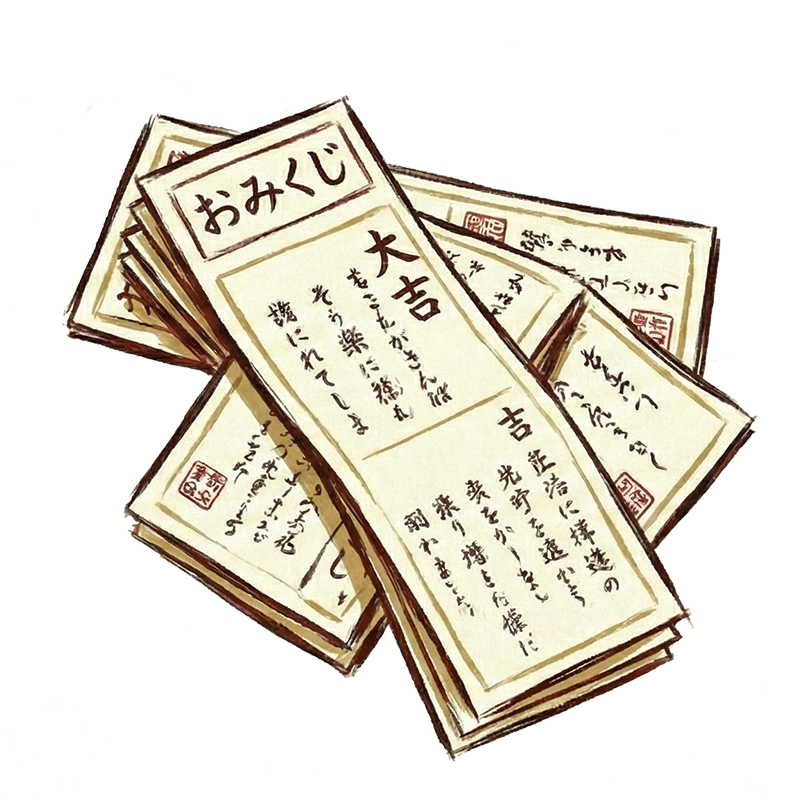
When drawing omikuji at a shrine, have you ever noticed, alongside the standard paper fortunes, animal-shaped “doubutsu mikuji” (animal omikuji) modeled after deer, doves, rabbits, and other creatures? Made of ceramic, wood carving, or papier-mache, these small animal figures contain an omikuji inside, and after drawing your fortune, you can take the figure home as an ornament or charm. These “cute and blessed” sacred offerings have been growing in popularity in recent years. Animal omikuji are more than mere souvenirs. Each animal is a “shinshi” (divine messenger) deeply connected to the shrine’s enshrined deity and history, serving as a bearer of the gods’ will. This article introduces animal omikuji found at shrines across Japan, organized by animal type.
御要旨
- Animal Omikuji Are Sacred Offerings Shaped Like the Gods’ Messengers
- Kasuga Taisha’s “Shika Mikuji” (Deer Omikuji) Is Nara’s Most Iconic Animal Omikuji
- “Hato Mikuji” (Dove Omikuji) at Hachimangu Shrines: Tsurugaoka and Iwashimizu Are Famous
- Okazaki Shrine’s “Usagi Mikuji” (Rabbit Omikuji) in Kyoto Symbolizes Romance and Fertility
- Kawagoe Hikawa Shrine’s “Tai Mikuji” (Sea Bream Omikuji): Catch Your Fortune with a Fishing Rod
- Fushimi Inari Taisha’s “Kitsune Mikuji” (Fox Omikuji) Symbolizes Inari Faith
- Dazaifu Tenmangu’s “Uso Mikuji” Features the Lucky Bird That Turns Lies into Truth
- Imado Shrine’s “Maneki-neko Mikuji” (Beckoning Cat Omikuji) Is the Cat of Matchmaking
- Eto Mikuji (Zodiac Omikuji) Offer the Joy of Collecting All Twelve Animals
- The Three Main Materials for Animal Omikuji: Ceramic, Wood Carving, and Papier-Mache
- Three Tips for Getting the Most Out of Animal Omikuji
- In Closing
Animal Omikuji Are Sacred Offerings Shaped Like the Gods’ Messengers
The defining feature of animal omikuji is that the animals chosen are those with deep connections to the deity enshrined at each shrine. There is always a reason rooted in mythology or legend behind why a specific animal is revered at a particular shrine.
For example, the deer at Kasuga Taisha traces back to the legend that “the enshrined deity arrived in Nara riding a white deer,” while the fox at Fushimi Inari Taisha serves as a retainer (kenzoku) of the Inari deity, guarding bountiful harvests. Such animals are called “shinshi” (divine messengers), with their statues placed on shrine grounds and their images used as motifs for sacred offerings.
Animal omikuji recreate these divine messengers in ceramic, wood carving, or papier-mache. The major appeal is that even after reading the omikuji, you can display the divine messenger figurine at home. They are treasured as worship souvenirs and gifts. (The truth is, many visitors spend more time deliberating which animal to “welcome home” than reading the omikuji itself.)
Kasuga Taisha’s “Shika Mikuji” (Deer Omikuji) Is Nara’s Most Iconic Animal Omikuji
The most well-known animal omikuji is the deer omikuji from Kasuga Taisha in Nara. The deer of Nara are both a national natural monument and divine messengers of Kasuga Taisha’s deity, cherished and protected for over 1,300 years.
Choose Between Two Types: Ittobori and White Deer
Kasuga Taisha offers two types of deer omikuji (Source: Kasuga Taisha official website).
| Type | Features | Offering |
|---|---|---|
| Deer Mikuji (Ittobori) | Carved in Nara’s traditional ittobori (single-cut carving) style; the deer holds an omikuji in its mouth | 600 yen |
| White Deer Mikuji (ceramic) | Ceramic white deer; introduced to commemorate the 60th Shikinen Zotai (periodic renewal) | 600 yen |
The ittobori deer omikuji is crafted using Nara’s traditional ittobori technique, charming visitors with the warmth of wood and its rustic expression. Meanwhile, the white deer omikuji, a ceramic piece introduced to mark the 60th Shikinen Zotai (2015-2016), has become popular for its smooth white texture and adorable appearance (Source: Jinja Kentei Column).
According to legend, the deity Takemikazuchi-no-Mikoto rode a white deer from Kashima Jingu in Hitachi Province (present-day Ibaraki Prefecture) to Mt. Mikasa in Nara. From this legend, deer became revered as divine messengers. The approximately 1,200 deer in Nara Park are protected as descendants of these sacred deer and designated as natural monuments. After reading your omikuji, you can display the small deer on your desk or shelf, enjoying it alongside your memories of Nara.
“Hato Mikuji” (Dove Omikuji) at Hachimangu Shrines: Tsurugaoka and Iwashimizu Are Famous
The divine messenger of the Hachiman deity is the dove. According to legend, a white dove guided the way when the divine spirit was transferred from Usa Jingu, the head shrine of the approximately 40,000 Hachimangu shrines nationwide. The “dove characters” that depict the character for “eight” in “Hachiman” as two facing doves are a familiar sight on Hachimangu shrine plaques and crests.
Tsurugaoka Hachimangu’s Dove Omikuji Comes with a Charm Strap
At Tsurugaoka Hachimangu in Kamakura, the dove omikuji costs 200 yen and comes with a small dove strap charm inside. The envelopes come in 7 colors, and the dove strap inside matches the envelope color, adding to the fun. You won’t know which color you get until you open it.
Tsurugaoka Hachimangu has a unique custom: if you draw kyo (misfortune), you place the omikuji in a special box and grip the golden arrow on top, which is said to transform your misfortune into strong fortune. (The fact that drawing kyo can be seen as “actually lucky” is a thoughtful consideration for visitors.)
Iwashimizu Hachimangu’s Dove Omikuji Features Two Facing Doves
At Iwashimizu Hachimangu in Kyoto, the dove omikuji is a ceramic piece featuring two doves facing each other to form the character for “eight.” The offering is 700 yen, with an elegant design of pale pink bodies adorned with golden wings (Source: Iwashimizu Hachimangu official website).
On the main gate of Iwashimizu Hachimangu’s main hall, there are decorative metal fittings depicting “a-un” (inhaling-exhaling) doves, which guard the shrine like komainu (guardian dogs). The dove omikuji takes its design from these a-un doves, allowing visitors to enjoy the unified aesthetic between the shrine’s architecture and its sacred offerings.
Okazaki Shrine’s “Usagi Mikuji” (Rabbit Omikuji) in Kyoto Symbolizes Romance and Fertility
Higashitenno Okazaki Shrine in Sakyo Ward, Kyoto, is so dominated by rabbits that it is commonly called “Usagi Jinja” (Rabbit Shrine). Instead of komainu (guardian dogs), “komaUsagi” (guardian rabbits) stand at the entrance, and even the temizuya (water purification basin) features a rabbit statue.
Choose from Pink and White Ceramic Rabbit Omikuji
Okazaki Shrine’s rabbit omikuji are made of ceramic and come in pink and white. The offering is 500 yen. A small rabbit houses the omikuji inside, and after reading it, you can take the rabbit home as a charm.
Many visitors choose to dedicate their rabbits at the shrine rather than take them home. The sight of ceramic rabbits lined up neatly in front of the main hall has become a signature scene of Okazaki Shrine. The orderly rows of pink and white rabbits have become a popular photo spot in Kyoto, widely shared on social media.
The Rabbit Became a Divine Messenger Due to Direction and Local History
Okazaki Shrine’s connection to rabbits stems from its location east of the Heian capital. In the Chinese zodiac, the east is governed by “u” (the rabbit). Furthermore, this area was once home to many wild rabbits, and the rabbit came to be revered as the messenger of the local deity.
Since rabbits symbolize fertility, Okazaki Shrine is known for blessings related to conception, safe childbirth, and romantic matchmaking. Visitors seeking romantic fortune or fertility blessings through the rabbit omikuji are endless. (The rabbit omikuji at Okazaki Shrine is popular year-round, not just in the Year of the Rabbit, and sometimes sells out by morning.)
Kawagoe Hikawa Shrine’s “Tai Mikuji” (Sea Bream Omikuji): Catch Your Fortune with a Fishing Rod
At Kawagoe Hikawa Shrine in Kawagoe City, Saitama Prefecture, the popular attraction is the sea bream-shaped omikuji that you catch with a fishing rod. Sea bream are packed tightly in a tub decorated with seigaiha (blue ocean wave) patterns, and visitors hook and lift one with a small fishing rod. The offering is 300 yen per sea bream.
Two Types: “Ai Tai” and “Ichinen Antai”
There are two types of tai mikuji at Kawagoe Hikawa Shrine, and you can choose based on your purpose.
| Type | Color | Content |
|---|---|---|
| Ai Tai Mikuji | Red (pink) | Fortune related to romantic encounters and compatibility |
| Ichinen Antai Mikuji | Red, yellow, etc. | Fortune for overall luck and a peaceful year |
The clever wordplay of “ai tai” (wanting to meet/love) and “antai” (peace and safety) adds a playful charm befitting Kawagoe Hikawa Shrine’s reputation as a matchmaking shrine. The words “Ichinen Antai” written on the sea bream’s back are equally whimsical, and most visitors take them home as souvenirs.
Asakusa Shrine also offers tai mikuji, which is connected to the fact that Ebisu, who holds a sea bream, is enshrined there. Along with the wordplay on “medetai” (auspicious), sea bream are chosen as animal omikuji motifs at many shrines as lucky symbols.
Fushimi Inari Taisha’s “Kitsune Mikuji” (Fox Omikuji) Symbolizes Inari Faith
At Fushimi Inari Taisha, the head shrine of approximately 30,000 Inari shrines nationwide, fox-themed omikuji are popular. Fushimi Inari Taisha’s omikuji is also famous for having 32 different fortune rankings, including rare ones like “Dai-daikichi” (super great blessing), “Kyo-nochi-daikichi” (misfortune followed by great blessing), and “Kikkyo-imada-wakarazu-sue-daikichi” (fortune and misfortune yet undecided, eventually great blessing) (Source: Fushimi Inari Taisha official website).
The Fox Is a Retainer of the Inari Deity, Not “Oinari-san” Itself
A common misconception is that the foxes at Fushimi Inari Taisha are the “true identity of Oinari-san.” The fox is a kenzoku (retainer) of the Inari deity — a being that serves the god. The Inari deity is Uka-no-Mitama-no-Okami, the god of bountiful harvests, and the fox serves as a messenger conveying divine will to humans.
The fox statues on the shrine grounds hold rice sheaves, keys, scrolls, and jewels in their mouths, each symbolizing abundance, wisdom, and divine virtue. Similarly, kitsune mikuji carry the meaning of receiving the divine blessings of the Inari deity through the form of the fox. (Walking through the Senbon Torii with a fox omikuji in hand is a quintessential Fushimi Inari experience.)
Dazaifu Tenmangu’s “Uso Mikuji” Features the Lucky Bird That Turns Lies into Truth
At Dazaifu Tenmangu in Fukuoka Prefecture, the “uso mikuji” features the uso bird (bullfinch), a divine messenger of Tenjin-sama (Sugawara no Michizane). The offering is 300 yen, and the omikuji is housed inside a cylindrical wooden bullfinch figure. It comes with a string, so after removing the omikuji, you can attach it to your bag or wallet as a strap.
A Storied Animal Omikuji Connected to the “Usokae” Ceremony
Dazaifu Tenmangu holds an annual “Usokae” (bullfinch exchange) ceremony on January 7th. This ancient custom involves replacing the previous year’s lies with Tenjin-sama’s truth, turning past misfortunes into lies (uso) and exchanging them for this year’s good fortune (Source: Dazaifu Tenmangu official website).
On the day of the ceremony, a special “Gold Uso Mikuji” is also offered, and depending on the omikuji result, you may win a pure gold bullfinch figurine. While uso mikuji is available year-round, knowing the history of the Usokae ceremony adds a deeper layer of meaning to your experience.
The bullfinch is a real wild bird of the order Passeriformes. It was named “uso” because its call sounds like a whistle (“usofuki”). At Dazaifu Tenmangu, legend has it that bullfinches protected Sugawara no Michizane from a swarm of bees, and the bird has been revered as a bringer of good fortune ever since.
Imado Shrine’s “Maneki-neko Mikuji” (Beckoning Cat Omikuji) Is the Cat of Matchmaking
Imado Shrine in Asakusa, Tokyo, is considered one of the birthplaces of the maneki-neko (beckoning cat). The shrine grounds are filled with beckoning cats of all sizes, and it is popular for blessings of romantic matchmaking and love fulfillment.
Two Types: Maneki-neko Mikuji and Koikatsu Mikuji
Imado Shrine offers “Maneki-neko Mikuji” as its animal omikuji. The offering is 200 yen, with an omikuji housed inside a small beckoning cat. There is also the “Koikatsu Mikuji” (love victory omikuji) for 200 yen, an Imado Shrine exclusive focused on romantic fortune.
Imado Shrine’s connection to the beckoning cat stems from “Imado-yaki,” a style of pottery that flourished in the area. Beckoning cats made from Imado-yaki became widespread during the Edo period, leading to Imado Shrine being known as a birthplace of the beckoning cat. The maneki-neko mikuji is a lucky charm carrying on the Imado-yaki tradition, with historical significance beyond just being a cute omikuji.
A white cat named “Nami-chan” lives on the shrine grounds as a sort of mascot, and meeting her is said to bring happiness. If you encounter both the maneki-neko mikuji and Nami-chan, the matchmaking blessings might be doubled.
Eto Mikuji (Zodiac Omikuji) Offer the Joy of Collecting All Twelve Animals
Many shrines also offer “eto mikuji” (zodiac omikuji) featuring the zodiac animal of the year. Ceramic or papier-mache figures of that year’s zodiac animal contain an omikuji inside, and the biggest appeal is being able to collect a different animal each year.
Akasaka Hikawa Shrine’s “Hariko Eto Mikuji” Have the Warmth of Handmade Crafts
At Akasaka Hikawa Shrine in Tokyo, all twelve zodiac “hariko (papier-mache) eto mikuji” are available year-round. Since each papier-mache is handmade, even the same zodiac animal has subtly different expressions. Choose your birth year’s zodiac or the current year’s zodiac. Some visitors collect one each year, completing the full set of twelve over a dozen years.
“Okage Eto Mikuji” at Okage Yokocho Is a Classic Ise Pilgrimage Souvenir
The “Okage Eto Mikuji” at Okage Yokocho near Ise Jingu in Mie Prefecture is another popular zodiac omikuji. A small ceramic zodiac animal contains an omikuji inside, and its palm-sized cuteness makes it a beloved souvenir. Lining up each year’s purchase creates a miniature procession of zodiac animals on your shelf.
The appeal of eto mikuji is that it “gives you a reason to visit every year.” Drawing that year’s zodiac mikuji at Hatsumode and placing it next to last year’s. When you’ve completed the full set of twelve, your eto mikuji collection becomes proof that you’ve witnessed a complete zodiac cycle. (Imagining where you’ll be in 12 years while collecting them is a unique pleasure no other omikuji can offer.)
The Three Main Materials for Animal Omikuji: Ceramic, Wood Carving, and Papier-Mache
Animal omikuji look quite different depending on their material. Understanding the characteristics of each main material will help you find animal omikuji that suit your taste.
| Material | Characteristics | Representative Animal Omikuji |
|---|---|---|
| Ceramic | Smooth texture. Vivid colors with great display appeal. Fragile, so carry carefully | Okazaki Shrine rabbit mikuji, Iwashimizu Hachimangu dove mikuji |
| Wood carving | Warmth of wood with a rustic charm. Develops character with age | Kasuga Taisha deer mikuji (ittobori), Dazaifu Tenmangu uso mikuji |
| Papier-mache | Lightweight and easy to carry. Each one has a slightly different expression due to being handmade | Akasaka Hikawa Shrine hariko eto mikuji |
Ceramic pieces offer beauty and presence, ideal for display as interior decor. Wood carvings carry the artistry of traditional Japanese craftsmanship and grow more endearing with use. Papier-mache is lightweight and durable, convenient for carrying home from trips.
Regardless of material, animal omikuji are “tangible mementos that remain after drawing an omikuji.” While paper omikuji are tied to trees or kept in wallets, animal omikuji can be displayed on shelves and at entrances, bringing the memory of your shrine visit into daily life. Simply having a divine messenger figurine at home allows you to feel a daily connection to the shrine — a value unique to animal omikuji.
Three Tips for Getting the Most Out of Animal Omikuji
Here are some key points to deepen your enjoyment of animal omikuji.
Learn “Why” That Animal Is a Divine Messenger Before You Draw
Knowing the mythology and legends behind animal omikuji adds depth to the omikuji’s message. If drawing Kasuga Taisha’s deer mikuji, know the legend of Takemikazuchi-no-Mikoto arriving on a white deer. If drawing Okazaki Shrine’s rabbit mikuji, understand the relationship between the east direction and the rabbit zodiac. Knowledge alone changes the meaning you derive from the same omikuji.
If Collecting, Decide on a Display Spot in Advance
Once you start collecting animal omikuji, the numbers add up. Deciding on a fixed display location — your entryway, a living room shelf, your work desk — keeps things organized. For households with a kamidana (home altar), placing them near it is also a nice option. However, since animal omikuji are sacred offerings rather than objects to be “enshrined on a kamidana,” feel free to display and enjoy them casually.
Seek Out “One-of-a-Kind Animal Omikuji” at Shrines During Your Travels
Most animal omikuji are available only at their respective shrines. The pleasure of visiting shrines in new destinations during trips or business travel and discovering unique local animal omikuji is exceptional. Obihiro Shrine in Hokkaido has a long-tailed tit (shima enaga) mikuji, and Inu Shrine in Aichi has a dog mikuji. Regional shrines often offer the best chances of encountering unique and distinctive animal omikuji.
(Among animal omikuji collectors, some have amassed over 100 pieces from shrines across Japan. The collecting itself becomes a kind of pilgrimage, resulting in visits to many shrines. This, too, is one of the mysterious charms of animal omikuji.)
In Closing
Animal omikuji are sacred offerings that double as omikuji and lucky charms, shaped in the form of divine messengers connected to each shrine’s deity and history. The deer of Kasuga Taisha, the doves of Tsurugaoka Hachimangu and Iwashimizu Hachimangu, the rabbits of Okazaki Shrine, the sea bream of Kawagoe Hikawa Shrine, the fox of Fushimi Inari Taisha, the bullfinch of Dazaifu Tenmangu, and the beckoning cat of Imado Shrine. Each animal carries meaning backed by mythology and history, and simply drawing an omikuji offers a window into Japanese shrine culture. Displaying an animal omikuji you found during your travels at home lets you feel the reassuring presence of a divine messenger watching over you, alongside your memories of the visit.
At Omikuji Sando, you can draw your own personalized fortune based on your birthday, with a full 12-tier ranking system, free every day. Why not carry the fascination with shrine culture sparked by animal omikuji into a daily omikuji habit?
