
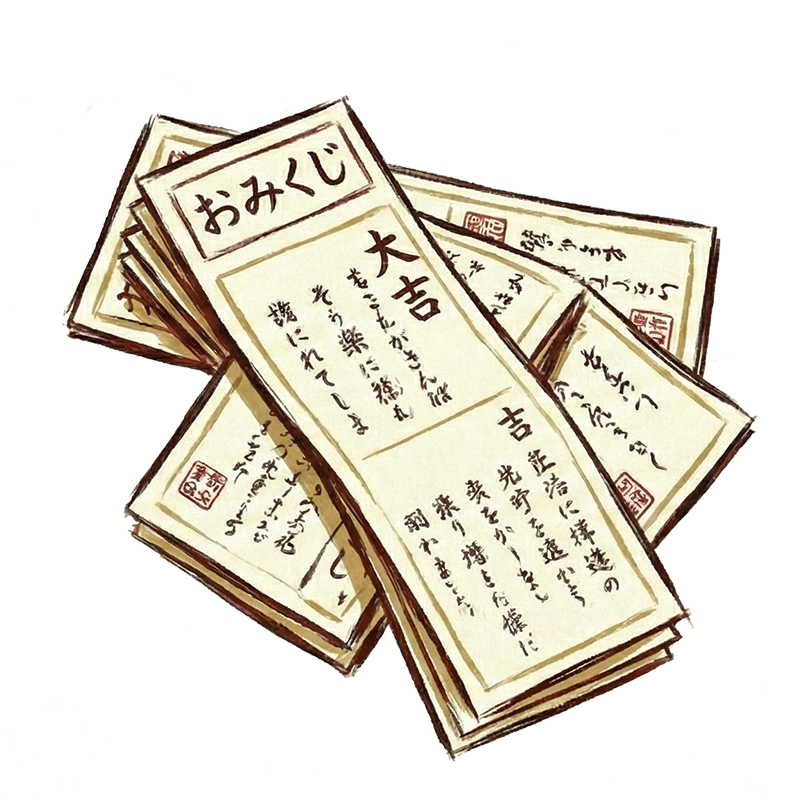
After drawing an omikuji, have you ever felt that simply reading the paper and being done with it left something to be desired? “Hana mikuji” (flower omikuji) is an unusual type of omikuji that contains flower seeds inside. You take them home, plant them in soil, and actual flowers bloom. Beyond telling your fortune, hana mikuji carries the deeper meaning of “nurturing connections” and “letting your luck blossom.” This article provides a thorough guide to how hana mikuji work, their appeal, which shrines and temples offer them, and how to grow the seeds.
御要旨
- Hana Mikuji: A New Kind of Omikuji Pairing Fortune with Flower Seeds
- The Deep Meaning Behind Hana Mikuji: “Nurturing Connections”
- Types of Flowers Found in Hana Mikuji and Their Meanings
- Notable Shrines and Temples Where You Can Draw Hana Mikuji
- Types and Selection Guide for Lucky Charm Omikuji with Flower Seeds
- Tips for Successfully Growing Hana Mikuji Seeds
- The Growing Demand for “Experiential Worship” Is Behind the Spread of Hana Mikuji
- Deepening Your Fortune Reading by Combining Hana Mikuji with Flower Language
- Enjoying Hana Mikuji as Gifts
- The Deep Connection Between Flowers and Shrines Goes Back to Ancient Times
- In Closing
Hana Mikuji: A New Kind of Omikuji Pairing Fortune with Flower Seeds
Hana mikuji is a sacred offering that combines a standard omikuji with flower seeds. The omikuji paper displays fortune rankings like Daikichi, Chukichi, and Shokichi just as usual, but the key difference is the addition of flower seeds. Many products use water-soluble paper, which dissolves in water, so you can bury the paper along with the seeds in soil, where the paper dissolves and the flower germinates.
One of the leading companies manufacturing and supplying hana mikuji is Seishin Togeisha, known for their gardening kit designs and production. Their “Omedeta Omikuji” series features lucky motifs like daruma dolls, maneki-neko (beckoning cats), and sea bream in ceramic figures, each containing an omikuji and flower seeds. The ceramic body itself is made from biodegradable material that returns to the earth when buried (Source: Amazon Seishin Togeisha Omedeta Omikuji).
Additionally, Daito, a temple supply specialty store, wholesales flower seed-attached omikuji to shrines and temples. These also contain a mix of 6-7 types of annual flower seeds, designed so you can bury the water-soluble omikuji paper directly in soil and enjoy growing them (Source: Daito Temple Supply Shop). (The idea of transforming omikuji from “read and done” to “grow and enjoy” is what captures visitors’ hearts.)
The Deep Meaning Behind Hana Mikuji: “Nurturing Connections”
The appeal of hana mikuji goes beyond mere novelty. It carries the profound meaning of rooting the “message from the gods and Buddha” contained in the omikuji into daily life through the act of growing flowers.
Sowing, Watering, and Blooming Becomes a “Continuation of Prayer”
Drawing an omikuji at a shrine or temple is a momentary event. However, with hana mikuji, the experience continues as you take the seeds home, plant them in soil, water them daily, and watch them sprout and bloom. This entire process serves to extend the memory of your visit and gratitude toward the gods and Buddha into everyday life.
Every time you water the seeds, you recall the day of your visit. When sprouts appear, you feel “my fortune is sprouting.” When flowers bloom, you take it as “my wish has been fulfilled.” Hana mikuji is a mechanism that keeps the omikuji experience alive not just for a moment, but for weeks or months. (Just as keeping a daily journal creates time for self-reflection, growing flowers creates a lasting effect from your shrine visit.)
“Flowers Blooming” Creates a Positive Self-Fulfilling Prophecy
In psychology, there is a concept called “self-fulfilling prophecy.” When you act with a certain expectation, the result tends to align with that expectation. The act of sowing hana mikuji seeds and tending them while believing “flowers will surely bloom” is a perfect example of this.
When flowers actually bloom, it is natural to feel “the omikuji’s blessing came true” or “my connections have blossomed.” This positive feeling then has a beneficial impact on all areas of daily life, from work to relationships. Hana mikuji is a sacred offering that makes the omikuji’s function as a “life guide” tangible.
Types of Flowers Found in Hana Mikuji and Their Meanings
The seeds enclosed in hana mikuji vary by product and season, but mixed annual flowers are the norm. Easy-to-grow varieties are selected so that even beginners can successfully grow flowers without special gardening knowledge.
| Flower | Blooming Season | Flower Language | Characteristics |
|---|---|---|---|
| Dianthus (Nadeshiko) | May-October | Pure love, innocence | Beloved in Japan since ancient times; origin of “Yamato Nadeshiko.” Hardy and easy to grow |
| Cosmos | June-November | Harmony, maiden’s purity | Iconic autumn flower. Thrives even in poor soil; great for beginners |
| Mini Sunflower | July-September | I only have eyes for you, admiration | Compact varieties can be grown in pots. Bright and cheerful |
| Marigold | April-December | Trust, unchanging love | Naturally pest-resistant with an exceptionally long blooming period. Ideal for beginners |
| Baby’s Breath | May-July | Gratitude, happiness | Countless small white flowers create an elegant atmosphere |
| Periwinkle (Vinca) | May-November | Pleasant memories, friendship | Heat-resistant and blooms vigorously even in summer. Low maintenance |
With mixed flowers, you won’t know which flower will bloom until you actually grow them. This “not knowing what will come” element mirrors the excitement of “not knowing what you’ll draw” with omikuji. (Many people look up the flower language when their flower blooms and receive it as a “personal message.”)
Notable Shrines and Temples Where You Can Draw Hana Mikuji
Hana mikuji are gradually being introduced at shrines and temples across Japan. However, the name “hana mikuji” can refer to different things depending on the location — some contain actual flower seeds, while others are flower-themed omikuji. Here are some notable sacred sites offering flower-related omikuji.
Abo Shrine (Matsubara City, Osaka) — Hana Mikuji Featuring the Flower Ceiling
Abo Shrine began offering an original “Hana Mikuji” in December 2022. Available for 200 yen, this omikuji includes fortune rankings like Daikichi, Chukichi, and Shokichi, along with specific fortunes for money and love, plus two paintings selected from the 48 “flower ceiling” paintings in the shrine’s main hall. The collaboration between the ceiling paintings depicting flowers of all four seasons and the omikuji is a unique initiative of Abo Shrine (Source: Abo Shrine official website).
Zuishin-in Temple (Yamashina, Kyoto) — NAKED Hana Mikuji for a Stunning Worship Experience
Known as the temple associated with the Heian-period poet Ono no Komachi, Zuishin-in Temple offers NAKED Hana Mikuji during their “Flower Room” event periods. These feature colorful flower objects made of washi paper with omikuji attached; when you choose a flower, you discover a message with its name and flower language. Available on Fridays, Saturdays, Sundays, and holidays only, with limited quantities on a first-come, first-served basis, so early visits are recommended (Source: grape).
The chosen flower can be taken home, and visitors can also participate in “flower-blooming art” by tying their omikuji to the designated spot. The combination of Ono no Komachi’s beauty and flowers is a noteworthy initiative that conveys the ancient culture of flowers and prayer in a modern form.
Shinmeigu Shrine (Kanazawa, Ishikawa) — Hana Mikuji Where You Can Write Your Wish
Shinmeigu Shrine, a well-known power spot in Kanazawa, offers an original “Hana Mikuji Negai” (Flower Fortune Wish). Unlike regular omikuji, this one includes a space for visitors to write their own wish directly on the paper, in addition to the fortune text. After writing your wish, you offer it at the shrine’s designated spot with a prayer for its fulfillment. You may write only “one wish,” and this condition of narrowing down to your most heartfelt desire is said to heighten the focus of your prayer (Source: Shinmeigu official website).
Nagaoka Tenmangu Shrine (Nagaokakyo, Kyoto) — Where the God of Learning Meets Flowers
Nagaoka Tenmangu Shrine, dedicated to Sugawara no Michizane, offers hana mikuji. Michizane is famously associated with plum blossoms, as captured in his celebrated poem: “When the east wind blows, let it send your fragrance, oh plum blossoms; do not forget spring, though your master is no longer there.” Nagaoka Tenmangu is also renowned as a destination for Kirishima azaleas in spring, and its unique offerings that unite flowers with the god of learning have become popular among visitors.
Types and Selection Guide for Lucky Charm Omikuji with Flower Seeds
Beyond hana mikuji offered at shrines and temples, several other formats of lucky charm omikuji containing flower seeds are available. They make wonderful gifts as well as personal keepsakes.
| Type | Shape | Features |
|---|---|---|
| Omedeta Omikuji (Daruma) | Red daruma-shaped ceramic | Break it open to find an omikuji with flower seeds. Embodies the daruma spirit of “fall seven times, stand up eight” |
| Omedeta Omikuji (Maneki-neko) | White beckoning cat ceramic | Lucky charm for business prosperity and attracting customers. Contains flower seeds and fortune |
| Omedeta Omikuji (Tai) | Sea bream-shaped ceramic | A play on “medetai” (auspicious). Perfect as a gift for New Year’s or commemorative occasions |
| Omikuji Tamago | Egg-shaped container | Features Choju-giga (bird and animal caricature) style illustrations. Crack the egg to reveal seeds and omikuji |
| Kaeru Haiku Omikuji | Frog-shaped ceramic | Plays on “fuku kaeru” (fortune returns) and “buji kaeru” (safe return). Contains haiku, omikuji, and flower seeds |
All ceramic bodies are made from a blend of recycled paper and clay. After use, they can be buried in soil where they naturally decompose and return to the earth. This environmentally conscious design is another appealing aspect of hana mikuji.
Availability of hana mikuji varies by shrine and temple depending on the season and stock levels. We recommend checking the official website or calling ahead before your visit. Some sacred sites offer them only during limited seasons, so advance confirmation is advised.
Tips for Successfully Growing Hana Mikuji Seeds
Once you’ve brought your hana mikuji home, you’ll naturally want to see the flowers bloom beautifully. Since mixed flower seeds are primarily annuals, even beginners can successfully grow them by following these basic steps.
The Best Sowing Times Are Spring and Autumn
Flower seeds have optimal sowing periods. For mixed flowers, the general timing is as follows.
| Sowing Period | Timing | Expected Blooming |
|---|---|---|
| Spring sowing | Late March to May | Blooms from early summer through autumn |
| Autumn sowing | September to October | Blooms in spring to early summer the following year |
If you draw a hana mikuji during Hatsumode (first shrine visit of the year) or New Year’s, store the seeds until spring sowing time. Keep them in a cool, dry place away from direct sunlight, and they’ll maintain their germination rate for several months. (The vegetable drawer of a refrigerator is the most reliable storage spot.)
The Correct Method Is to Bury the Water-Soluble Paper Directly in Soil
The water-soluble paper containing the hana mikuji seeds can be buried in soil as is. In fact, trying to separate the seeds from the paper risks damaging them, so the correct method is to bury the paper shallowly in soil along with the seeds.
- Fill a planter or flower pot with commercially available potting soil
- Place the water-soluble omikuji paper with seeds on top of the soil and cover with a thin layer (about 5mm) of soil
- Water thoroughly with a spray bottle
- Continue watering daily until germination, keeping the soil surface from drying out
- After germination, move to a sunny location and water when the soil surface feels dry
- If sprouts are densely packed, thin them out, leaving 1-2 healthy seedlings
Germination time for mixed flowers varies by species and temperature but generally takes 1-3 weeks. Think of the time waiting for germination as “waiting for your omikuji result” and be patient.
They Can Be Grown on Balconies or Indoors
Hana mikuji seeds can be grown perfectly well without a garden. A small planter and potting soil from a 100-yen shop are all you need. Place them on a sunny windowsill or balcony, and you can grow flowers even in an apartment.
However, when growing indoors, be mindful of insufficient sunlight. Ensure the plants get at least 4-5 hours of sunlight per day. Without enough light, stems become thin and spindly (a condition called etiolation), making it difficult for flowers to bloom.
The Growing Demand for “Experiential Worship” Is Behind the Spread of Hana Mikuji
The introduction of hana mikuji at shrines and temples across Japan reflects a shift in visitor values. While traditional omikuji follow the pattern of “read, tie, and done,” increasing numbers of visitors now share their worship experiences on social media and incorporate sacred offerings into their daily lives.
The Double Appeal of Instagram-Worthy Looks and the Joy of Growing
Many hana mikuji feature cute designs like daruma dolls and maneki-neko cats, making them photogenic and well-suited for the social media age. Moreover, many visitors post photos when their flowers actually bloom, creating a ripple effect of attention on social media at two points: “when drawn” and “when bloomed.”
On GreenSnap (a plant-focused social media platform), posts are shared under the tag “flower omikuji,” with a community naturally forming around sharing growth records of flowers cultivated from hana mikuji (Source: GreenSnap). The experience of a worship memento becoming a flower growth diary is a value-add that traditional omikuji never offered.
Hana Mikuji Also Draw Attention from an Environmental Perspective
Hana mikuji make environmental sense as well. The water-soluble omikuji paper decomposes when buried in soil, and the ceramic containers are made from a blend of recycled paper and clay that naturally returns to the earth. The avoidance of plastic decorations and disposable packaging aligns with the shrine philosophy of “revering nature.”
Joshidosha, which holds approximately 60% of the national omikuji market share, also produces hana mikuji among their 18 types of omikuji (Source: Made in Local). The approach of continuing to manufacture traditional omikuji while also providing new formats that meet contemporary needs represents the coexistence of preservation and innovation in omikuji culture.
Deepening Your Fortune Reading by Combining Hana Mikuji with Flower Language
For an even more enjoyable hana mikuji experience, we recommend interpreting the flower language of your blooming flower as an “additional message” from your omikuji. By combining your fortune with the flower language, more specific life guidance emerges.
Examples of Fortune and Flower Language Combinations
| Fortune | Flower That Bloomed | Flower Language | Interpretation |
|---|---|---|---|
| Daikichi (Great Blessing) | Sunflower | I only have eyes for you | Focus on one goal and give it your all for great results |
| Chukichi (Middle Blessing) | Cosmos | Harmony | Valuing cooperative relationships will stabilize your fortune |
| Shokichi (Small Blessing) | Dianthus | Pure love | Expressing your feelings honestly to loved ones will bring positive changes |
| Suekichi (Future Blessing) | Baby’s Breath | Gratitude | If you don’t forget to be grateful for what you have, great fortune will come in time |
With mixed flower seeds, you won’t know what blooms until you’ve sown them. Embracing this “not knowing” is the essence of hana mikuji. Layering your omikuji result with flower language reveals a message uniquely yours. (Think of it casually, like combining your horoscope with the weather forecast to plan your day.)
Enjoying Hana Mikuji as Gifts
Hana mikuji make wonderful gifts as well as personal keepsakes. Since they combine a lucky charm ceramic with flower seeds, giving one conveys the meaning of “gifting fortune and flowers.”
Occasions Perfect for Hana Mikuji Gifts
- As a souvenir for family and friends after a New Year’s shrine visit
- As an encouragement gift for exam-takers praying for success
- As a housewarming gift celebrating a new beginning
- As a Mother’s Day or Respect for the Aged Day present
- As wedding favors or party prizes
The maneki-neko type carries the meaning of “attracting customers and business prosperity,” the daruma type represents “perseverance and exam success,” and the sea bream type signifies “auspiciousness.” You can choose based on the recipient and occasion. When the flowers bloom, receiving a message like “The flowers from the hana mikuji you gave me bloomed!” creates a lasting communication connection.
The Deep Connection Between Flowers and Shrines Goes Back to Ancient Times
Hana mikuji, as a new type of sacred offering, has been accepted so naturally because of the deep cultural connection between flowers and shrines and temples. In Japanese sacred sites, flowers have been intertwined with faith since ancient times.
The Bond Between Flowers and Faith Seen in Sacred Trees and Flowers
Just as shrines have sacred trees (goshinboku), there is a cultural tradition of enshrining specific flowers and plants as sacred. The plum blossoms of Dazaifu Tenmangu, the twin-leaf hollyhock of Kamigamo Shrine, the wisteria of Kasuga Taisha, and the cherry blossoms of Todai-ji. These are all examples of the deep bond between gods, Buddha, and flowers.
At Dazaifu Tenmangu, there is the legend of the “Flying Plum” (Tobiume), said to have flown overnight from Kyoto out of longing for Sugawara no Michizane. The shrine grounds contain approximately 6,000 plum trees of about 200 varieties. There is also a tradition that the spirit of Tenjin-sama dwells within plum seeds, and charms containing plum are offered (Source: Dazaifu Tenmangu official website). Hana mikuji can be seen as a modern continuation of this ancient tradition of flowers and faith.
The Spirit of “Flower Offering” in Buddhism
In Buddhism, the practice of offering flowers before the Buddha, known as “hana kuyo” (flower offering), has been observed since ancient times. Flowers are both an offering to the Buddha and a symbol of “the impermanence and beauty of this world.” The act of “sowing seeds and growing flowers” in hana mikuji connects to the idea of growing an offering to the Buddha with your own hands.
That Zuishin-in Temple in Kyoto offers NAKED Hana Mikuji during their “Flower Room” event reflects the concept of linking the beauty of flowers with Ono no Komachi, the representative poet of the Heian period. A sacred offering that fuses the traditional culture of omikuji with the natural beauty of flowers embodies the spirit of nature worship at the very foundation of Japanese religious culture.
In Closing
Hana mikuji is a sacred offering that lets you not only “read” your fortune but “grow” it, extending the worship experience deep into your daily life. Taking home an omikuji with flower seeds, watering them, watching them sprout, and seeing them bloom — the entire process becomes a continuation of prayer that nurtures connections. Shrines and temples offering flower-related omikuji, from Abo Shrine to Zuishin-in Temple and Shinmeigu Shrine, are expanding across Japan, establishing a new way to enjoy shrine visits. On your next visit, be sure to pick up a hana mikuji and take both your fortune and flowers home with you.
Even on days you can’t visit a shrine, you may feel like checking today’s fortune with an omikuji. At Omikuji Sando, you can draw your own personalized fortune based on your birthday, with a full 12-tier ranking system, free every day.
