
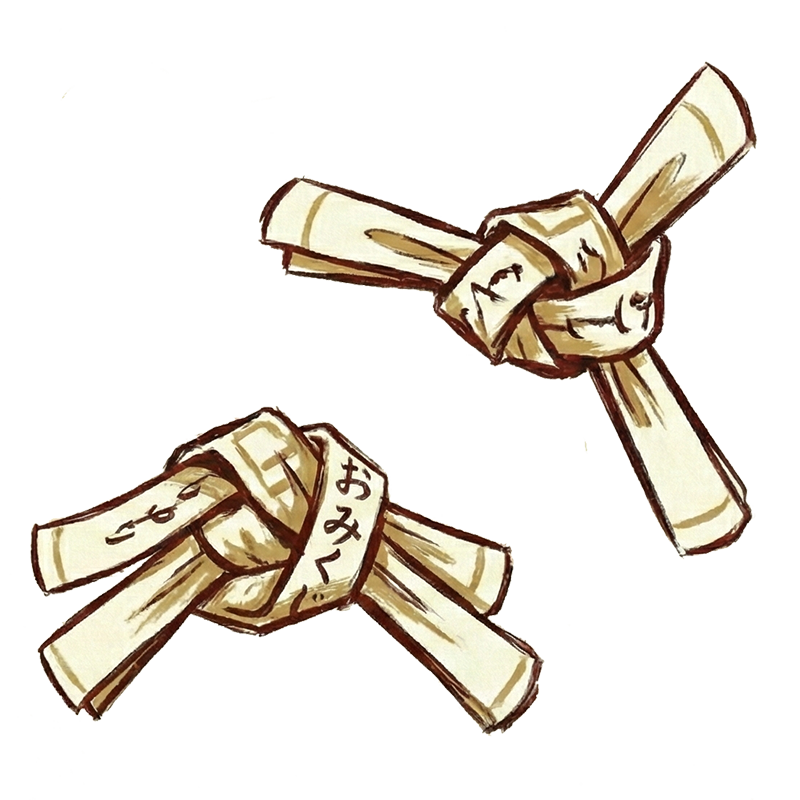
Have you ever wanted to draw an omikuji at a shrine but hesitated, wondering “what time is the cutoff?” or “is it okay in the evening or at night?” The answer is that omikuji availability varies by shrine, with no universal rule across Japan. This article covers everything from typical omikuji hours and specific timeframes at famous shrines, to tips for nighttime visits.
御要旨
- General Omikuji Hours Are 9 AM to 5 PM
- Checking Ahead Is Essential Even at Famous Shrines
- Many Shrines Adjust Hours by Season
- Some Shrines Offer Omikuji Even After the Shamusho Closes
- Drawing Omikuji at Night Is Generally Difficult
- Three Benefits of Drawing Omikuji During an Early Morning Visit
- Omikuji Are Available at Night During the New Year Period
- Five Tips for Drawing Omikuji During a Nighttime Visit
- Why Nighttime Shrine Visits Are Sometimes Called “Inadvisable”
- When You Cannot Visit a Shrine, Online Omikuji Is an Option
- In Closing
General Omikuji Hours Are 9 AM to 5 PM
The most common pattern at shrines nationwide is availability during the shrine office (shamusho) hours, typically 9 AM to 5 PM (17:00). Since omikuji are distributed at the shamusho or distribution office (juyosho), they can only be drawn while these windows are open.
However, these hours are only a guideline, and there are significant differences depending on the shrine’s size and region. Here are the representative patterns:
| Shrine Size | Typical Hours | Notes |
|---|---|---|
| Large shrines (Meiji Jingu, Ise Jingu, etc.) | Around 6 AM–18:00 | Open from early morning, hours vary by season |
| Medium shrines (regional ichinomiya, well-known shrines) | Around 9 AM–17:00 | The most common timeframe |
| Small shrines (local ujigami shrines) | Around 9 AM–16:00 | Priest may not be present at all times |
| Tourist-area shrines | Around 8:30 AM–17:00 | Extended hours during peak visitor seasons |
An important point to note is that “the hours you can visit the shrine” and “the hours you can draw omikuji” do not always match. Most shrines keep their grounds open 24 hours but operate the shamusho only during daytime. (Many people have had the experience of being able to worship but finding the omikuji unavailable.)
Checking Ahead Is Essential Even at Famous Shrines
It is a common mistake to assume that “famous shrines must be open late” and arrive only to find the shamusho closed. Famous shrines often have greater seasonal variation, with hours shifting by 1–2 hours depending on the month. Below is a summary of hours at major shrines.
| Shrine Name | Hours | Notes |
|---|---|---|
| Meiji Jingu (Tokyo) | Sunrise to sunset (changes monthly) | June: 5 AM–18:30; December: 6:40 AM–16:00 |
| Senso-ji (Tokyo) | Main hall: 6 AM–17:00 (6:30 AM– Oct–Mar) | Grounds accessible from early morning |
| Ise Jingu (Mie) | 5 AM–17:00–19:00 (seasonal) | Open until 19:00 May–Aug, until 17:00 Oct–Dec |
| Izumo Taisha (Shimane) | 6:30 AM–19:00 (distribution office) | Worship 6 AM–19:00; prayer reception 9:15 AM–16:00 |
| Fushimi Inari Taisha (Kyoto) | Distribution office: approx. 7 AM–18:00 | Grounds open 24 hours, but distribution office is daytime only |
| Dazaifu Tenmangu (Fukuoka) | 6:30 AM–19:00 approx. | Hours vary by season and events |
Meiji Jingu follows the principle of “opening with sunrise and closing with sunset,” meaning there is about a 2.5-hour difference in opening/closing times between summer (June) and winter (December) (Source: Meiji Jingu Official Website). To avoid the frustration of arriving after 3 PM in winter and finding the shrine already closed despite daylight, checking the official website beforehand is essential.
Ise Jingu also varies closing times by season: 18:00 from January–April and September, 19:00 from May–August, and 17:00 from October–December (Source: Ise Jingu Official Website). If traveling from afar, always cross-reference your expected arrival time with closing time.
Many Shrines Adjust Hours by Season
It is not unusual for shrines to adjust their shamusho opening and closing times according to sunrise and sunset. Large shrines in particular may shift hours by 1–2 hours between summer and winter.
Differences Between Summer and Winter
In summer, longer daylight means earlier opening and later closing. In winter, with earlier sunsets, many shrines end omikuji distribution at 4 PM or 4:30 PM. For example, at Ise Jingu, visiting hours are 5 AM–17:00 from October–December and 5 AM–19:00 from May–August, a 2-hour difference in closing time.
The most reliable approach is to check the shrine’s official website or call ahead to confirm hours for the day of your visit. This simple step prevents the disappointment of arriving to find the shrine closed.
Some Shrines Offer Omikuji Even After the Shamusho Closes
You might assume that “shamusho closed = no omikuji,” but that is not always the case. Some shrines have systems in place that allow omikuji drawing even after the shamusho closes.
Self-Service Omikuji May Be Available at Night
Shrines that use a “self-service” system — where you draw an omikuji from a box and place the fee in a collection box — may allow drawing after hours as long as the grounds remain open. This system is most common at small to medium-sized shrines and is designed to accommodate visitors even when no priest is on duty. (However, reading a paper omikuji in a dark shrine grounds is difficult, so having a smartphone flashlight handy is a good idea.)
Vending Machine-Type Omikuji Are Growing in Number
In recent years, more shrines have introduced coin-operated “vending machine-type” omikuji dispensers. These can be found at urban shrines with high foot traffic, such as Atago Shrine and Kanda Myojin in Tokyo, and Kitano Tenmangu in Kyoto. With a vending machine type, omikuji can be drawn at any time as long as the grounds are open, making it possible to enjoy omikuji even on an after-work visit.
That said, not all vending machine omikuji operate 24 hours. Some may be powered down or located indoors where building hours apply. For a guaranteed draw, daytime visits remain the safest bet.
Drawing Omikuji at Night Is Generally Difficult
While some may wish to draw omikuji after dark, very few shrines offer omikuji after 6 PM. The reason is simple: the shamusho is closed.
Shrine offices are staffed by priests and miko (shrine maidens), but most operate during daytime hours only. Since omikuji are typically received at the distribution window after offering hatsuhoryo, once the window closes, omikuji become unavailable.
Three Benefits of Drawing Omikuji During an Early Morning Visit
If nighttime is not an option, consider an early morning visit. Many large shrines open as early as 5–6 AM, making it possible to fit a visit into your schedule before work or during a trip.
- The grounds are quiet, providing a calm environment to focus on your omikuji (the quality of worship is entirely different from crowded daytime hours)
- The refreshing morning air helps settle the mind, making it easier to receive omikuji results positively
- You can use the result as a guide for the day ahead — checking your fortune first thing in the morning brings awareness to how you spend your day
In Shinto tradition, early morning has long been considered “the time when the day’s spiritual energy is at its purest.” The term “asa-mairi” (morning worship) reflects this belief, and early morning is regarded as the ideal time for shrine visits. As a time to draw omikuji, morning offers both physical and mental calm, creating the space to carefully read and contemplate the message.
Omikuji Are Available at Night During the New Year Period
As an exception, many shrines keep their shamusho open at night during the New Year season and distribute omikuji. From New Year’s Eve through New Year’s Day, many shrines across Japan accept visitors all night long.
Examples of New Year Hours
| Period | Typical Hours |
|---|---|
| New Year’s Eve 10 PM – New Year’s Day evening | Many large shrines stay open all night |
| January 2–3 | Many shrines extend hours until around 7 PM |
| January 4 onward through matsu-no-uchi | Extended by 1–2 hours beyond normal |
| After matsu-no-uchi | Return to regular hours |
For example, at Musashi Ichinomiya Hikawa Shrine, omikuji distribution on New Year’s Eve runs from 8:30 AM to 4:30 PM, but on New Year’s Day, distribution begins at midnight (Source: Musashi Ichinomiya Hikawa Shrine). If you plan to draw omikuji during hatsumode (the first shrine visit of the year), check each shrine’s official website for their special New Year schedule.
Festival and Fair Days May Also Have Extended Hours
Beyond New Year, shrines may extend hours during summer festivals, annual grand festivals, Shichi-Go-San season, and other peak periods. During such events, the shamusho may remain open as long as festival stalls are operating, making it possible to draw omikuji at times that are normally unavailable.
Five Tips for Drawing Omikuji During a Nighttime Visit
If you do visit a shrine at night to draw omikuji, there are several differences from daytime visits to keep in mind. To avoid trouble, be aware of the following points:
- Watch your step on dark shrine grounds (gravel paths and stairs are common, so use a flashlight or smartphone light)
- Confirm shamusho closing time in advance (there is no recourse if you arrive to find it closed)
- Move to a well-lit area to read your omikuji (there is nothing wrong with taking it home to read later rather than straining in the dark)
- Stay aware of personal safety (nighttime shrines are sparsely populated; solo visitors should be especially mindful of their surroundings)
- Keep noise to a minimum out of consideration for nearby residents (at shrines adjacent to residential areas, be careful about loud voices and bell sounds)
Nighttime worship itself is not prohibited, but there are objectively more constraints compared to daytime visits. For a guaranteed omikuji experience, daytime remains the recommended choice.
Why Nighttime Shrine Visits Are Sometimes Called “Inadvisable”
You may have heard that “you should not visit a shrine at night.” In truth, there is no explicit Shinto rule prohibiting nighttime worship. The Association of Shinto Shrines (Jinja Honcho) has not issued any official statement such as “worship must take place at a specific time” (Source: Jinja Honcho).
Nevertheless, several reasons underlie the custom of avoiding nighttime visits.
The Tradition of “Omagatoki” (the Bewitching Hour)
In Japan, the twilight hour has traditionally been called “omagatoki” (literally, “the time of meeting evil spirits”), believed to be an inauspicious time when one is more likely to encounter supernatural beings. This folk belief evolved into the popular notion that “visiting a shrine after sunset should be avoided.” It is a folk tradition, not a religious prohibition.
Shinto’s Emphasis on “Yang Energy”
Shinto includes the concept of “yang energy” and “yin energy,” with daytime being the period filled with yang energy and nighttime the period when yin energy strengthens. The idea that worship should ideally take place during yang-filled hours has contributed to the custom of avoiding nighttime visits. (However, this is a customary belief rooted in Shinto’s worldview rather than a strict doctrine.)
The Most Practical Reason: “It’s Dark and Dangerous”
More than any spiritual reason, practical concerns are the greater factor. Shrine grounds at night have minimal lighting, creating risks of tripping on poorly maintained paths. Additionally, with the shamusho closed, it is difficult to seek help in case of a medical emergency. The advice to “not go at night” is largely rooted in safety considerations.
When You Cannot Visit a Shrine, Online Omikuji Is an Option
For those who find it difficult to visit a shrine during the day due to work, childcare, or other commitments, or for those without a shrine nearby, opportunities to draw omikuji can be limited. Online omikuji is a practical solution for such situations.
Online omikuji can be drawn at any time of day, whether late at night or early in the morning, according to your own schedule. (For those who want to know their daily fortune but cannot make it to a shrine, it is a realistic option.)
Of course, drawing omikuji at a shrine in person has its own unique value as a worship experience. Online omikuji should be thought of not as a “substitute” for shrine visits but as “another way” to enjoy omikuji culture in everyday life. The benefit of being able to draw omikuji daily, unrestricted by time or location, and thereby creating regular moments of self-reflection, should not be overlooked.
In Closing
Omikuji hours vary by shrine, but the general guideline is 9 AM to 5 PM. Even at famous shrines, opening and closing times can shift significantly by season, making it essential to check the official website in advance. Nighttime availability is extremely limited and, except during special periods like New Year or festivals, daytime visits are the most reliable option. Self-service and vending machine-type omikuji may be available after the shamusho closes, but considering lighting and safety, visiting during daylight hours is recommended.
For those who are too busy to visit a shrine or can only spare time at night, Omikuji Sando is a great option. Draw your personalized fortune based on your date of birth, with 12 fortune levels available for free every day. Why not check today’s fortune without worrying about the clock?
