
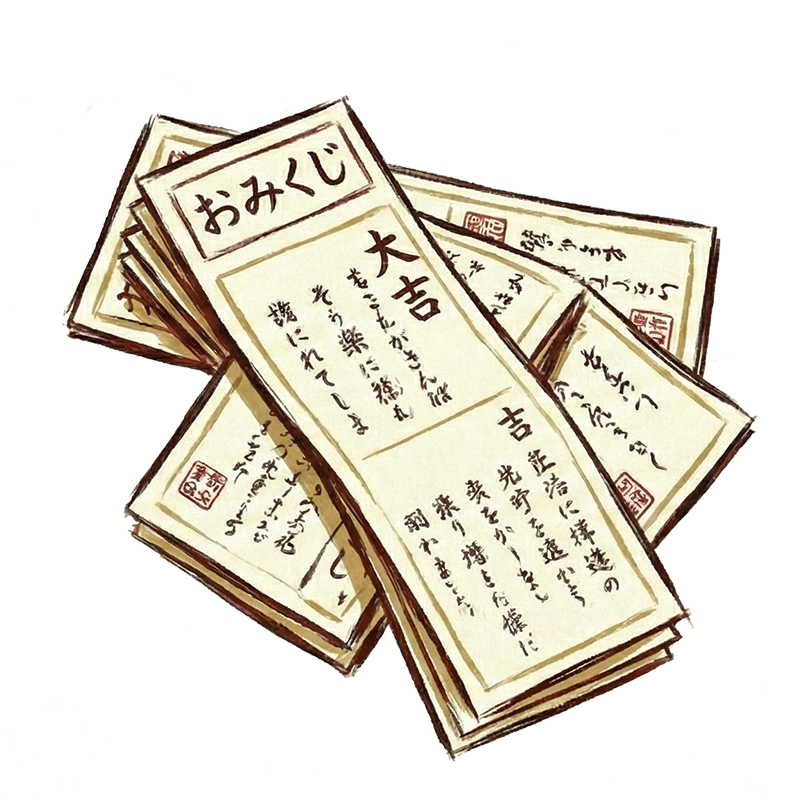
You drew an omikuji at a shrine during a trip and cannot forget the experience. The joy of getting “Daikichi” (Great Blessing) or the feel of a cute animal omikuji in your hand—you want to carry that feeling with you in daily life. More and more people are searching for omikuji-themed keychains and goods for exactly this reason. However, when you actually start looking, you may run into questions like “Where can I buy them?” or “What’s the difference between shrine offerings and commercial goods?” This article organizes the types, purchasing locations, and selection tips for omikuji keychains and goods, along with the cultural background of shrine traditions.
御要旨
- Omikuji Goods Come in Two Categories: “Shrine Offerings” and “Commercial Novelties”
- Shrine Omikuji Goods Are Mainly “Figurine Type” and “Charm-Integrated Type”
- Commercial Omikuji Keychains Can Be Purchased at Variety Stores and Online Shops
- Gashapon (Capsule Toy) Omikuji Goods Are Rapidly Growing
- Popular Types of Omikuji Keychains and How to Choose
- “Omamori” (Charms) and “Omikuji Goods” Have Completely Different Roles
- Etiquette for Giving Omikuji Goods as Gifts
- The Expansion of Omikuji Goods Culture Seen from the Manufacturing Side
- Summary of Omikuji Keychain Purchase Locations and Features
- Final Thoughts
Omikuji Goods Come in Two Categories: “Shrine Offerings” and “Commercial Novelties”
When searching for omikuji-related goods, the first thing to understand is the distinction between “shrine offerings” (juyohin) and “commercial novelties.” If you search without knowing this difference, you may end up with something that doesn’t match your purpose.
Shrine Offerings Are Lucky Charms Imbued with “Divine Blessings”
Omikuji distributed at shrines and temples are sacred offerings that have been purified and blessed by priests or monks. This includes not only paper omikuji but also ceramic animal omikuji and daruma omikuji—all are considered auspicious items bestowed within the shrine grounds. They are typically received by offering an initial fee (hatsuho-ryo) of around 300 to 500 yen.
Omikuji as shrine offerings carry a religious significance of “harboring the protection of gods and buddhas.” Therefore, when you no longer need them, rather than throwing them away as trash, the proper etiquette is to return them to the shrine’s old charm collection box (kosatsu-nosho) or have them ritually burned (otakiage). (That said, the Association of Shinto Shrines actually recommends keeping paper omikuji in your wallet and carrying them with you.)
Commercial Novelties Are Entertainment Items with an “Omikuji Motif”
On the other hand, omikuji keychains sold at variety stores and online shops are “novelty goods” that use omikuji shapes and designs as motifs. These include keychains that display a fortune when shaken or acrylic charms printed with omikuji text—they are positioned purely as everyday accessories and fashion items.
Since they have not been blessed at a shrine, they carry no religious significance. However, as items that let you enjoy the “excitement of drawing omikuji” in daily life, they are popular as souvenirs and gifts.
| Category | Shrine Offerings | Commercial Novelties |
|---|---|---|
| Where to Get | Shrine/temple offices (shamusho) | Variety stores, online shops |
| Price Range | 300–500 yen (offering fee) | Around 200–2,000 yen |
| Religious Meaning | Yes (blessed auspicious item) | None (novelty/fashion accessory) |
| Disposal Method | Return to shrine or ritual burning | Can be disposed of as regular waste |
| Omikuji Function | Can actually tell your fortune | Depends on the product (some have gimmicks) |
Shrine Omikuji Goods Are Mainly “Figurine Type” and “Charm-Integrated Type”
The variety of omikuji goods available as shrine offerings has been growing rapidly in recent years. Beyond simple paper omikuji, “cute omikuji” that can be taken home and displayed have become popular at shrines nationwide.
Animal-Motif Ceramic Omikuji Are Hugely Popular Across Japan
The most popular type features a small ceramic animal with an omikuji inside. Rabbits, deer, foxes, maneki-neko (beckoning cats), doves, and long-tailed tits—these figurines are shaped after animals associated with each shrine, and after reading the omikuji, they can be displayed as home decor.
For notable examples, Okazaki Shrine in Kyoto is famous for its “rabbit omikuji,” available in white and pink. The omikuji emerges from inside the rabbit’s belly. At Kasuga Taisha in Nara, there are “single-carved deer omikuji” and “white deer omikuji,” with the deer holding the omikuji in its mouth in an endearing pose (Source: co-trip).
At Obihiro Shrine in Obihiro City, the “long-tailed tit omikuji” has become very popular, featuring an omikuji inside a ceramic figurine of Hokkaido’s beloved long-tailed tit bird. The typical offering fee is 500 yen. (Some people visit shrines specifically for animal omikuji, making them a new draw for shrine visitors.)
“Tai-mikuji” (Sea Bream Omikuji) and “Mizu-mikuji” (Water Omikuji) Are Also on the Rise
Omikuji with unique drawing methods are also increasing. The “Ai-tai Mikuji” at Kawagoe Hikawa Shrine features sea bream-shaped figurines that you fish out with a fishing rod, with an omikuji attached to the tail. The combination of fishing fun and omikuji excitement has made it a popular photo spot for social media.
“Mizu-mikuji” (water omikuji) are a type where you dip a blank paper omikuji into water at the shrine and text appears. These are offered at shrines like Kifune Shrine (Kyoto) and Futarasan Shrine (Tochigi). The distinctive feature is that the act of drawing the omikuji itself becomes an “experience.”
Charm-Integrated Omikuji Can Be Carried Around as They Are
At Imado Shrine in Tokyo, the “maneki-neko omikuji” (200 yen each) featuring small beckoning cat figurines with omikuji inside is popular. The cats come in seven colors and are small enough to carry as a charm, serving the dual purpose of omikuji and protective amulet.
The defining feature of these “shrine offering omikuji goods” is that they can only be obtained at the shrine. While they may sometimes be resold on online marketplaces or secondhand apps, shrine offerings are meant to be received after visiting and praying at the shrine. It is generally believed that resold items do not carry divine blessings.
Commercial Omikuji Keychains Can Be Purchased at Variety Stores and Online Shops
If you want to “casually enjoy the omikuji atmosphere” or “give them as souvenirs or gifts,” commercial omikuji keychains are a good fit. Unlike shrine offerings, the advantage is that they can be purchased anywhere in Japan.
Hands, Loft, and Village Vanguard Variety Stores
If you want to see the actual product before buying an omikuji keychain, variety stores are a reliable option. Stores like Hands (formerly Tokyu Hands), Loft, and Village Vanguard sometimes stock Japanese-style keychains and accessories with omikuji gimmicks on their shelves.
However, omikuji keychains don’t typically have a “dedicated shelf” — they tend to appear more frequently as seasonal items or during New Year fair periods. If you check store displays around the year-end and New Year/hatsumode season, you’ll likely find a more extensive selection. (At other times, try looking in the “Japanese-style goods corner” or “party goods corner.”)
Amazon and Rakuten Offer the Widest Variety
For the broadest selection, Amazon and Rakuten Ichiba are recommended. Searching for “omikuji keychain” will turn up types like the following:
- Capsule-type keychains that display a fortune result when shaken
- Japanese-style keychains featuring daruma and maneki-neko motifs
- Chirimen (crepe fabric) netsuke-style omikuji charms
- Omikuji keychains featuring anime and character collaborations
- Strap-type keychains with characters like “Daikichi” carved on wooden tablets
Prices generally center around 200 to 2,000 yen. An advantage of online shopping is being able to check reviews and see photos and size references from actual purchasers.
Souvenir Shops and Tourist Area Gift Shops Are Also Worth Checking
Souvenir shops and gift shops in tourist areas sometimes carry omikuji goods unique to the local area. In areas around temples and shrines, such as Kiyomizu-zaka in Kyoto and Nakamise-dori in Asakusa, Japanese-style omikuji keychains and straps are readily available.
Airport souvenir corners may also carry “JAPAN”-design omikuji keychains, which are popular as gifts for foreign tourists. Keychains featuring Japanese characters like “Daikichi” (Great Blessing) and “Fuku” (Fortune) are appreciated as souvenirs that symbolize Japanese culture.
Gashapon (Capsule Toy) Omikuji Goods Are Rapidly Growing
An increasingly important place to buy omikuji goods is gashapon (capsule toy machines). Japan’s capsule toy market is rapidly expanding, with numerous omikuji-themed products appearing.
The Capsule Toy Market Reached Approximately 196 Billion Yen in 2025
According to a survey by the Japan Capsule Toy Association, the capsule toy market reached approximately 141 billion yen in fiscal 2024 and approximately 196 billion yen in fiscal 2025, a rapid 39% year-over-year growth. As of January 2026, there are over 900 capsule toy specialty stores nationwide, an increase of more than 200 stores from the previous year (Source: Japan Capsule Toy Association).
Riding this wave of market expansion, capsule toys with omikuji themes are also increasing. Bandai’s “Gashapon” series released a miniature of a nostalgic roulette-style omikuji machine, where pulling the lever actually spins a roulette and dispenses a tiny omikuji (Source: Gashapon Official Site).
Affordable at 300–500 Yen Per Turn, Easy to Collect
Capsule toy omikuji goods can be obtained for 300–500 yen per turn. The combination of gashapon’s “you never know what you’ll get” fun and the “luck-testing” element of omikuji is the key to their popularity.
- Mini figurine-type omikuji shaped like daruma or maneki-neko
- Miniatures that realistically reproduce omikuji paper slips
- Snow globe-type omikuji that change fortune when shaken
- Omikuji charms featuring characters dressed as shrine maidens or Shinto priests
Capsule toy specialty stores are located in train stations and shopping malls, making it easy to try one while passing by. (Just like drawing omikuji, the essence of gashapon is the “excitement of not knowing what you’ll get.” The two are a natural match.)
Popular Types of Omikuji Keychains and How to Choose
There are various types of omikuji keychains, and the best one depends on your intended use and preferences. Here are the main types organized for you.
Gimmick Types Let You Enjoy “Drawing Daily Omikuji”
Keychains that display a random fortune each time you shake them let you casually enjoy the feeling of “drawing omikuji” every day. A die or roulette inside a capsule shows results from Daikichi to Kyo, changing daily.
Shaking a keychain on your bag before heading to work or school to check the day’s fortune—quite a few people have incorporated this small “morning ritual” into their lives. (It’s like checking the weather forecast—a light-hearted way to test your luck each morning.)
Japanese-Style Design Types Are Popular as “Lucky Charm Substitutes”
Keychains made with chirimen (crepe fabric) or wooden tablets feature beautiful Japanese aesthetics with the reassurance of a lucky charm. Many are engraved with characters like “Daikichi,” “Fuku” (Fortune), or “Kaiun” (Good Luck), and are suited for people who want to carry a small good-luck token without going as far as carrying a formal omamori (charm).
Since they are not shrine offerings, they don’t carry religious blessings. However, the psychological effect of “feeling more positive when carrying something auspicious” can certainly be expected. By the same principle as self-fulfilling prophecy, keeping positive messages close at hand unconsciously increases positive actions.
Character Collaboration Types Are Perfect for Gifts
Types that combine anime characters or mascots with omikuji are chosen as gifts between fans or as souvenirs. Common designs feature characters wearing miko (shrine maiden) outfits or holding “Daikichi” tablets.
Prices generally center around 500 to 1,500 yen, and the packaging is usually well-made, making them suitable as gifts. When a favorite character is combined with Japanese traditional culture, it also has the secondary effect of deepening familiarity with omikuji.
| Type | Features | Price Range | Recommended Use |
|---|---|---|---|
| Gimmick Type | Fortune changes each time you shake | 300–800 yen | Personal use, daily fortune-telling |
| Japanese Design Type | Chirimen/wooden tablet lucky items | 500–1,500 yen | Lucky charm substitute, Japanese goods enthusiasts |
| Character Collab Type | Popular characters × omikuji | 500–1,500 yen | Gifts, collections |
| Souvenir Type | Regional designs, Japanese characters | 300–1,000 yen | Travel souvenirs, for foreign visitors |
“Omamori” (Charms) and “Omikuji Goods” Have Completely Different Roles
When searching for omikuji keychains, many people wonder “How are they different from omamori?” While the two may look similar, their roles and handling are fundamentally different.
Omamori Are Sacred Offerings That Carry “Divine Protection”
Omamori are offerings that have been blessed at shrines and temples, imbued with specific divine benefits such as warding off evil, matchmaking, or passing exams. Inside the omamori pouch are small sacred talismans and holy items, and it is said that they should never be opened.
Omamori have a concept of an expiration period, and it is generally recommended to return them to the shrine after about one year and receive a new one. When disposing of them, they should not be thrown away as trash but should be sent for ritual burning (otakiage) (Source: THE GATE).
Omikuji Goods Are Entertainment Items for “Enjoying Your Fortune”
On the other hand, commercially sold omikuji keychains and goods carry no religious significance. They are novelties themed around the fun of Japanese omikuji culture, and there is no problem with disposing of them when you tire of them.
However, ceramic omikuji or netsuke omikuji received at shrines are classified as shrine offerings, so they should be ritually burned when disposed of. “Where you obtained it” is the deciding factor. Items received at a shrine by paying an offering fee are shrine offerings; items purchased at variety stores or online are novelty goods. If you remember this distinction, you won’t be confused.
Etiquette for Giving Omikuji Goods as Gifts
Omikuji keychains are affordable and feature auspicious designs, making them great for small gifts. However, there are a few points to keep in mind.
When Gifting Shrine Offerings to Others, Do So as “Proxy Worship”
Giving shrine-bestowed animal omikuji or charms to others is not a breach of etiquette. “Proxy worship” (dairi sanpai)—visiting a shrine on someone else’s behalf and obtaining offerings for them—has been practiced since ancient times.
However, since the “omikuji result” is a personal message, you should decide based on your relationship whether to gift just the figurine after reading the omikuji, or to pass along the omikuji as well. (Handing over an omikuji that says “Kyo” (Bad Luck) as-is would certainly be awkward.)
Commercial Omikuji Goods Can Be Given Casually
Since commercial omikuji keychains carry no religious significance, they can be given as gifts without concern. There’s no need to worry about the recipient’s faith or religious views—they can be given simply as “Japanese novelties” or “unique goods.”
- As a New Year visiting gift
- As an encouraging good-luck item for exam students
- As a souvenir of Japan for foreign friends
- As party favors or bingo prizes at events
- As fan items for fellow enthusiasts (character collab types)
Keychains with “Daikichi” characters are especially popular as gifts for foreigners—they’re items that convey Japanese culture. Adding a card explaining the meaning of omikuji in English makes the gift even more appreciated.
The Expansion of Omikuji Goods Culture Seen from the Manufacturing Side
The diversification of omikuji goods is deeply tied to the evolution of Japan’s omikuji culture itself. Understanding this background will change your perspective when selecting goods.
About 70% of Omikuji Nationwide Are Manufactured by Joshidosha in Yamaguchi Prefecture
Approximately 70% of omikuji supplied to shrines across Japan are manufactured by Joshidosha, located in Shunan City, Yamaguchi Prefecture. Founded in 1906 (Meiji 39), Joshidosha has been producing omikuji for over 100 years. They currently manufacture more than 18 types of omikuji, expanding their lineup to include “love omikuji,” “children’s omikuji,” “flower omikuji,” “gold omikuji,” and more to meet the needs of the times (Source: Made in Local).
Notably, Joshidosha invented the automatic omikuji dispensing machine. This invention made it possible for omikuji to be distributed even during hours when shrine staff are absent or at smaller shrines. Behind omikuji becoming “a more accessible part of life” lies this kind of manufacturing-side innovation.
The Diversification of Omikuji Created “Demand for Them as Goods”
In the past, omikuji were predominantly simple single-sheet paper format, but as individual shrines began devising their own unique omikuji, varieties you’d “want to take home”—ceramic, wood-carved, fabric—proliferated rapidly.
In Kyoto alone, dozens of unique omikuji varieties exist, and it’s not uncommon for people to go shrine-hopping specifically to “collect omikuji” (Source: Kinarino). This “collecting desire” has given rise to a segment that shrine offerings alone cannot fully satisfy, leading to demand for commercial omikuji goods.
Fushimi Inari Taisha is known for having 32 different omikuji results, and this “diversity of omikuji themselves” has become the fertile ground supporting the expansion of goods culture.
Summary of Omikuji Keychain Purchase Locations and Features
Finally, here is a summary of where to purchase omikuji keychains and goods, along with each location’s characteristics. Choose based on your purpose.
| Purchase Location | Product Tendency | Price Range | Key Point |
|---|---|---|---|
| Shrine/Temple Offices | Ceramic omikuji, netsuke, charm-integrated types | 300–500 yen | Carries divine blessings, available only on-site |
| Hands / Loft | Japanese design, gimmick types | 300–1,500 yen | Can see actual product, New Year fairs are best timing |
| Village Vanguard | Unique/novelty omikuji goods | 300–1,000 yen | Many distinctive designs |
| Amazon / Rakuten | All types available | 200–2,000 yen | Wide selection, compare via reviews |
| Gashapon (Capsule Toys) | Mini figurines, miniature types | 300–500 yen | Random element is fun, at stations and malls |
| Souvenir Shops / Gift Shops | Regional designs, for foreign visitors | 300–1,000 yen | Directly tied to travel memories |
| 100-Yen Shops | Simple omikuji, party goods | 100–300 yen | For event prizes and children |
Final Thoughts
Omikuji keychains and goods span a wide range, from shrine offerings to commercial novelties. Ceramic omikuji from shrines are “auspicious items with divine blessings,” while keychains from stores and online are “items for enjoying omikuji culture in everyday life.” Understanding this difference and choosing according to your purpose is the smart approach. What matters most is incorporating the essential spirit of omikuji—”receiving a positive message and putting it into action”—into your daily life, in whatever form that takes.
At Omikuji Sando, you can draw your own personal fortune derived from your date of birth, for free, every day. Instead of shaking a keychain, how about drawing an omikuji on your smartphone each morning? A “fortune just for you,” quite different from goods, will surely give your day a positive start.
